
Contaminated water & affected materials
Sewage backup cleanup in Houston.
Keep people and pets away from suspected sewage. Tell the provider that a drain or sewer backup is involved before discussing cleanup. Ask who will resolve the blockage and how contaminated materials will be handled.
Call for a Quote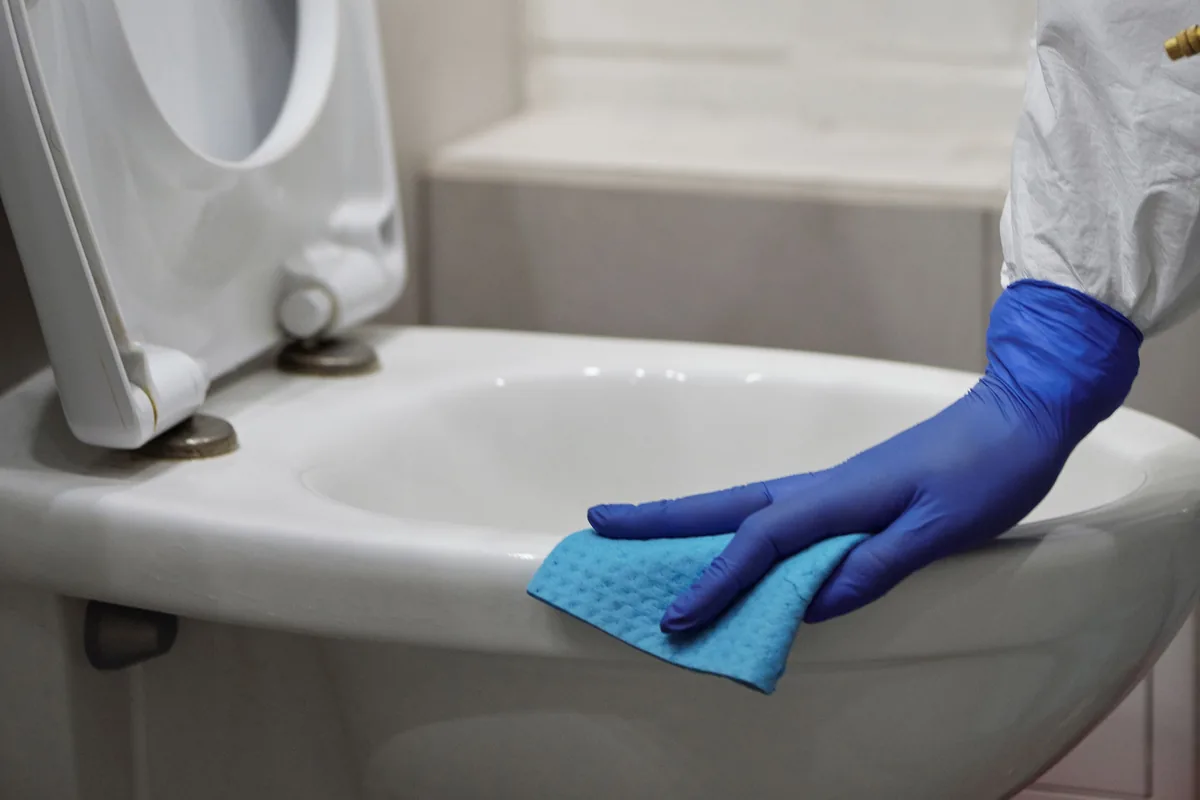
Recognize your situationDoes this sound
Does this sound
like your property?
Describe what you can observe safely. You do not need to diagnose the damage before asking for help.
Suspected sewer water reaching flooring or furnishings
An overflow with an unknown contamination source
Explain the backup and any utility report.
Tell us whether wastewater appeared at a toilet, floor drain, or another opening, and whether more than one fixture is affected. If you have reported a suspected public sewer problem to your utility, have the report details ready. Sugar Land residents can use the city’s water and sewer reporting page for suspected city utility issues. The cleanup conversation should also cover contaminated rooms, belongings, access, and who is stopping the source.
What to discuss before cleanup.
1. Keep the affected area isolated
Avoid contact with the water and affected materials. Do not use household fans to spread air from a contaminated area.
2. Resolve the backup source
A plumber, property manager, or utility may need to address the underlying problem. Ask who coordinates this step.
3. Request a written cleanup scope
Discuss protective measures, removal, cleaning, disposal, and documentation before the area is returned to use.
What affects the cost?
Ask for a written estimate that separates the main parts of the job. A web guide cannot price the conditions inside your property.
- Extent of affected surfaces and contents
- Containment and disposal requirements
- Access and the source of the backup
- Separate plumbing work, drying, and repairs
Understand common estimate line items →
Find guidance for your community.
Use your local guide for property-access questions and official condition checks.
Official resources: EPA flooded-home guidance · Texas insurance recovery guidance.
Content reviewed September 10, 2026.
Content reviewed September 10, 2026.
Common questionsYour questions,
Your questions,
answered.
Should I use my household vacuum to remove sewage?
No. Avoid contact with sewage and do not use household equipment for contaminated water. Ask a qualified provider about appropriate cleanup.
What should I have ready when I call?
Prepare the property ZIP code, water source if known, when the damage was noticed, affected rooms, and any access restrictions. Explain whether water is still entering.
What kinds of water damage can I call about?
Call about burst pipes, appliance leaks, flooding, sewage backups, and water affecting commercial properties. Describe the water source, affected rooms, and property address so the cleanup needs can be discussed.
How soon can I get help?
Timing depends on the property location, access conditions, and current demand. Call to discuss availability, especially during widespread storms.
One clear next stepWater damage is stressful.
Call for a Quote Water damage is stressful.
Getting started shouldn’t be.
Have your ZIP code, water source, and affected rooms ready.
Your quote request starts with a phone call. Ask about timing and any inspection charges before scheduling.