
Standing water & soaked flooring
Water extraction in Houston.
Standing water in your home? Explain where it came from, whether it is still entering, and which rooms are affected. An assessment establishes the extraction and drying needs for your property.
Call for a Quote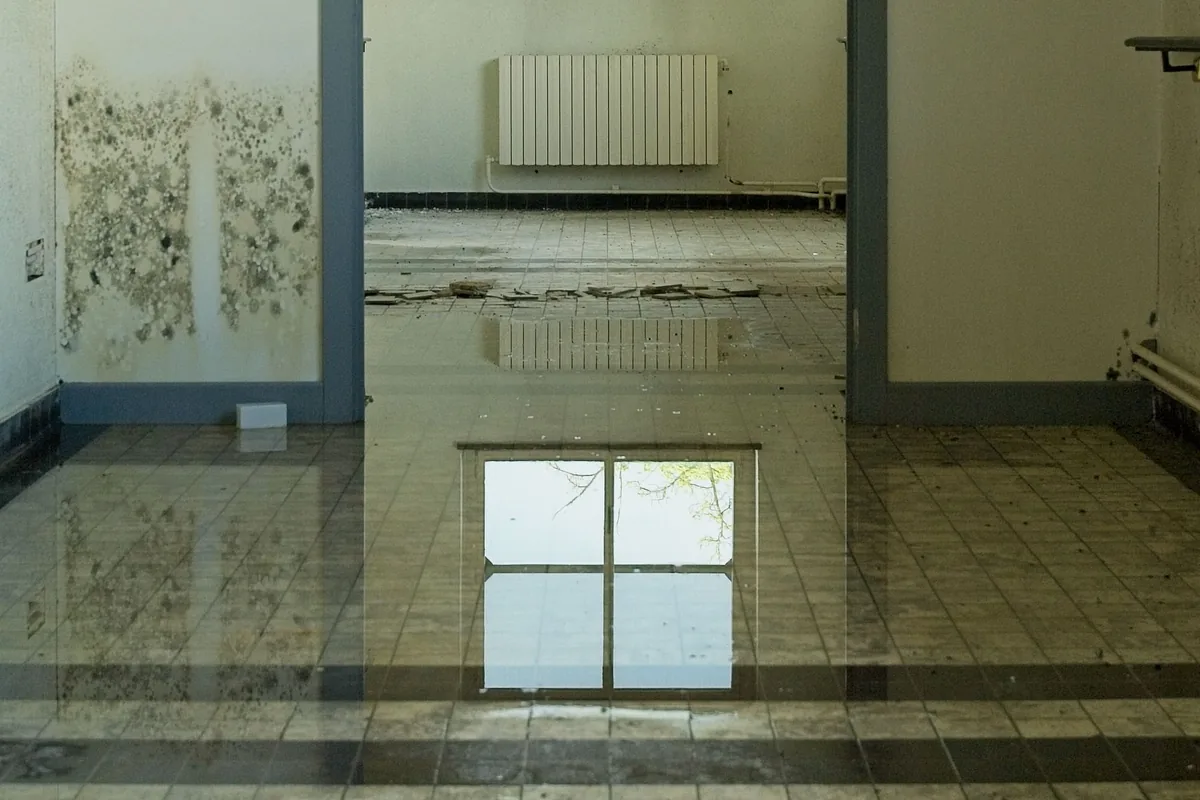
Recognize your situationDoes this sound
Does this sound
like your property?
Describe what you can observe safely. You do not need to diagnose the damage before asking for help.
Saturated carpet, padding, or water beneath flooring
Water spreading into adjacent rooms or behind baseboards
Tell us how to reach the standing water.
For a Houston-area extraction call, specify a ground-floor slab, raised floor, or upstairs room. Describe wet carpet and padding, water beneath flooring, and any adjoining spaces it reached. Include parking, stairs, gate access, and a contact who can open the property. If rain is still affecting the route, check TranStar and mention known access problems. Ask which materials need moisture checks after the visible water is removed.
What to discuss before cleanup.
1. Assess the source and hazards
Identify the affected area, water source, electrical concerns, and whether the water may be contaminated.
2. Remove standing water
The provider chooses suitable extraction equipment and determines which materials can be retained.
3. Plan the drying work
Ask how moisture in flooring, walls, and adjoining spaces will be checked after visible water is removed.
What affects the cost?
Ask for a written estimate that separates the main parts of the job. A web guide cannot price the conditions inside your property.
- Amount of water and access to affected rooms
- Type of water and any contamination precautions
- Flooring, contents handling, and material removal
- Drying equipment, monitoring visits, and reconstruction
Understand common estimate line items →
Find guidance for your community.
Use your local guide for property-access questions and official condition checks.
Official resources: EPA flooded-home guidance · Texas insurance recovery guidance.
Content reviewed September 10, 2026.
Content reviewed September 10, 2026.
Common questionsYour questions,
Your questions,
answered.
Is extraction the same as drying?
No. Removing standing water is one stage. Moisture can remain inside building materials, so ask for a separate drying and monitoring plan.
What should I have ready when I call?
Prepare the property ZIP code, water source if known, when the damage was noticed, affected rooms, and any access restrictions. Explain whether water is still entering.
What kinds of water damage can I call about?
Call about burst pipes, appliance leaks, flooding, sewage backups, and water affecting commercial properties. Describe the water source, affected rooms, and property address so the cleanup needs can be discussed.
How soon can I get help?
Timing depends on the property location, access conditions, and current demand. Call to discuss availability, especially during widespread storms.
One clear next stepWater damage is stressful.
Call for a Quote Water damage is stressful.
Getting started shouldn’t be.
Have your ZIP code, water source, and affected rooms ready.
Your quote request starts with a phone call. Ask about timing and any inspection charges before scheduling.