
THE QUICK ANSWER
What should you know first?
If first-floor floodwater reached interior drywall, treat the home as a safety and scope problem before a cleaning problem. Do not enter if water may be near electrical outlets, panels, or appliances. Once the area is confirmed safe by a qualified person, photograph the high-water line, map the affected footprint, and separate source repair, extraction/drying, and reconstruction on your quote call.
Prepare your questions ↓AT A GLANCE
The decisions behind the quote.
Source repair vs. cleanup
Source repair stops the water entry point, such as a failed supply line, sump issue, or exterior opening. Cleanup removes water, debris, and contaminated materials.
Extraction/drying vs. reconstruction
Extraction and drying remove standing water and reduce moisture in place. Reconstruction replaces drywall, insulation, flooring, trim, or cabinets that cannot be dried or safely cleaned. A quote should label both parts.
Quote scope vs. final cost
A quote scope describes what will be done, what will be removed, and what will be replaced. Ask whether the written price is fixed for a defined scope or an estimate, and how any added work would be approved.
01 / PLAN YOUR CLEANUP
Start with safe entry, not cleanup
First-floor floodwater that reached interior drywall means water has crossed the line from a floor problem into a wall-cavity problem. Before you think about cleanup, think about whether it is safe to be in the room. Water and electricity are a dangerous combination. Do not enter if water may be near electrical panels, outlets, power strips, or plugged-in appliances. The CDC advises avoiding electrical hazards after flooding and contacting qualified professionals when electrical equipment may be wet.
If you can enter safely, limit your time and avoid disturbing debris. Floodwater may carry contaminants, and stirring up sediment or mold can increase exposure. The EPA's flooded-homes guidance recommends protective clothing and careful cleanup practices. If you see visible mold, sewage-like material, or structural sagging, stop and get qualified help rather than trying to handle it yourself.
02 / PLAN YOUR CLEANUP
Map the affected footprint before anyone quotes
The affected footprint is the area water actually touched, not just the area that looks wet now. Floodwater can wick up drywall, soak insulation, and travel under flooring. Your job before a quote call is to document the footprint as clearly as you can.
- Mark the high-water line on drywall, trim, and cabinets with a photo and a note.
- Measure each affected room and note wall lengths where water reached.
- List materials in the footprint: drywall, baseboards, insulation, flooring, subfloor, cabinets, and HVAC registers.
- Note any rooms that smell musty or show staining even if they look dry.
- Photograph the source area if visible, such as a supply line, exterior door, or sump pit.
- Do not remove materials just to see behind walls unless a qualified provider directs you.
03 / PLAN YOUR CLEANUP
Separate source repair, cleanup, and reconstruction
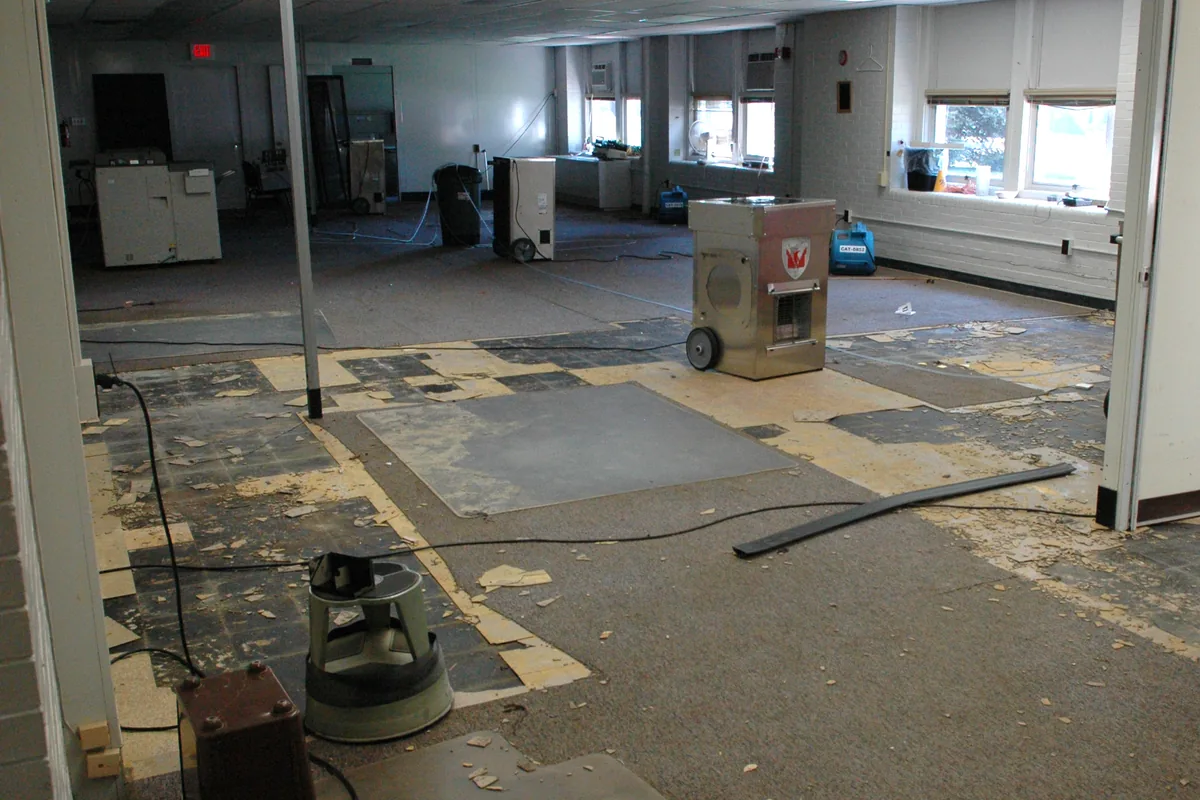
A common mistake is treating one quote as if it covers everything. Source repair fixes the entry point, such as a plumbing failure or exterior opening. Extraction and drying remove water and reduce moisture. Reconstruction replaces materials that cannot be dried or cleaned. These are different scopes, and they may involve different trades or providers.
When you call for a quote, ask the provider to label each part of their scope. If they only quote drying, ask who handles source repair and reconstruction. If they only quote reconstruction, ask who handles extraction and drying. A clear scope comparison helps you avoid paying twice for the same work or missing a step.
04 / PLAN YOUR CLEANUP
What a useful quote scope looks like
A useful quote scope is specific about what will be done, what will be removed, and what will be replaced. It should also explain how the provider will verify moisture behind walls and under floors. Final cost may change if hidden moisture, damaged wiring, or contaminated materials are found. Ask how changes are priced and approved before work begins.
- Source repair: what caused the water, and who will fix it.
- Extraction and drying: equipment, monitoring, and how long drying will be evaluated.
- Removal: which materials will be cut out or disposed of, and why.
- Reconstruction: what will be replaced, with what materials, and to what finish level.
- Moisture verification: how the provider will check inside wall cavities and under floors.
- Change process: how added work is documented, priced, and approved.
05 / PLAN YOUR CLEANUP
Prepare your quote call with a simple worksheet
You do not need to become a restoration expert. You need a clear worksheet so the provider can give you a useful scope. Use the checklist above as your worksheet. Have your photos, measurements, and material list ready. Ask the provider to walk through their scope in plain language and to put it in writing.
If you need help understanding cleanup options, start with our Flood Cleanup guide. It explains how cleanup fits with drying and reconstruction. Then call a qualified provider to discuss your specific footprint. Prompt safe action can limit secondary damage, but safety always comes first.
06 / PLAN YOUR CLEANUP
When to call rather than wait
Call a qualified water-damage or restoration provider when you need safe-entry guidance, extraction and drying scope, or a written estimate. If water is near electrical components, call an electrician or utility first. If you see visible mold or suspect contamination, ask about safe cleanup practices. Do not delay reasonable mitigation if it is safe to act, but do not put yourself at risk.
For first-floor floodwater that reached interior drywall, the most useful next step is a documented footprint and a scope comparison. That gives you a better conversation, a clearer quote, and a safer path forward.
YOUR WRITTEN-SCOPE CHECKLIST
Turn the conversation into clear answers.
Check an item when you understand how it is addressed in the written scope. These checks organize your questions; they do not certify the condition of a property.
CHECK A WRITTEN ESTIMATE
What do the listed charges add up to?
Enter amounts from an estimate you already have. This adds your figures; it does not predict restoration prices. Blank fields count as zero, so confirm missing charges with the provider.
Only the amounts entered are included. Taxes, rebuilding, source repair and changes may be additional.
FREE QUOTE-PREPARATION TOOL
Know what to say when you call.
Build a short description using what you already know. Your notes stay on this page; this does not send a request or book service.
Your call notes
Questions to ask: Your goal is not to diagnose the damage yourself. It is to stay safe, capture the high-water line, map the affected footprint, and ask for a scope that separates source repair, extraction/drying, and reconstruction. Do you serve my address? What assessment fees apply, and what is excluded?
Common questions
Can I enter a first-floor room after floodwater reached the drywall?
Only if you can do so without touching water near electrical outlets, appliances, or panels. Floodwater can be contaminated, and wet electrical components create shock hazards.
Does drywall always need to be removed after floodwater?
Not always, but floodwater is not clean water. Drywall that absorbed contaminated water, or that stays wet behind baseboards, may need removal to dry the wall cavity. A qualified provider should assess moisture and contamination before deciding.
What is the difference between extraction/drying and reconstruction?
Extraction and drying remove standing water and reduce moisture using pumps, air movers, and dehumidifiers. Reconstruction replaces materials that cannot be dried or cleaned, such as cut drywall, insulation, flooring, or trim.
How do I prepare for a quote call about first-floor floodwater?
Have your photos, room measurements, high-water line notes, and a list of affected materials ready. Ask the provider to explain their scope in writing, including what they will remove, what they will dry, what they will replace,
YOUR NEXT STEP
A clearer conversation.
A more useful quote.
Have your ZIP code and property details ready. Confirm address coverage, fees and the proposed scope before booking.
Call for Quote · (833) 628-1561 ↗Houston Water Recovery connects callers with independent providers. Availability, qualifications, work and pricing are confirmed by the provider.
Sources & further reading
This guide explains public guidance and questions to ask. It is not a property assessment or a documented customer case, and no technician review is claimed.
CDC: Electrical hazards after flooding ↗EPA: Flooded homes cleanup guidance ↗EPA: Mold cleanup in your home ↗