
THE QUICK ANSWER
What should you know first?
Stop the water source if it is safe to do so, keep people away from wet electrical outlets and cords, and map the room into wet zones before you call. The map helps separate plumbing repair from water cleanup and shows whether drying or reconstruction is likely.
Prepare your questions ↓AT A GLANCE
The decisions behind the quote.
Source repair vs. cleanup
A plumber repairs or replaces the failed pipe. A cleanup provider extracts water, dries materials, and documents affected areas. These are separate scopes and may be separate invoices.
Extraction and drying vs. reconstru…
Extraction removes standing water. Drying reduces moisture in materials. Reconstruction replaces damaged drywall, flooring, or trim after drying is complete.
Quote scope vs. final cost
A quote describes what the provider plans to do. Ask whether the written price is fixed for a defined scope or an estimate, and how any added work would be approved. Ask how changes are approved.
01 / PLAN YOUR CLEANUP
Start With the Source, Not the Wet Carpet
A burst pipe is a plumbing event. The water in the bedroom is a cleanup event. They often get discussed together, but they have different trades, different scopes, and sometimes different insurance treatment. Your first safe action is to stop the water if you can do so without touching electrical equipment or standing in water near outlets. If the valve is behind a panel, under a sink, or in a flooded area, do not reach into it. Call a plumber or building maintenance instead.
Once the source is stopped, the room stops getting wetter. That is the moment to make a simple room map. You do not need a floor plan. A sketch on a notepad is enough: mark where the water entered, where it traveled, and which materials are wet, damp, or dry. This map becomes the backbone of every quote conversation that follows.
02 / PLAN YOUR CLEANUP
Build a One-Page Room Map
A room map turns a vague description into a scope. Walk the room and mark four things: the source point, the wet zone, the damp zone, and the dry zone. Then list the materials in each zone. Carpet and pad behave differently from tile and concrete. Drywall wicks water upward. Baseboards can hide moisture in the wall cavity. A closet or door threshold can carry water into the hallway without looking wet on the surface.
- Source point: the pipe, fitting, or fixture that failed.
- Wet zone: standing water, saturated carpet, or visibly wet drywall.
- Damp zone: discolored drywall, soft baseboard, or carpet that feels cool or clammy.
- Dry zone: materials that appear unaffected but are near the wet area.
- Vertical path: water can travel down inside walls or along joists.
- Adjacent rooms: hallway, closet, bathroom, or utility space sharing a wall or floor.
03 / PLAN YOUR CLEANUP
Separate Source Repair From Water Cleanup
Source repair restores the plumbing. Water cleanup removes water, dries materials, and documents the affected area. Some companies offer both, but they are still separate scopes. Ask each provider what they actually do. If a cleanup company says they will handle the pipe, ask whether they are licensed for plumbing repair or whether they subcontract it. If a plumber says they will handle the water, ask whether they provide extraction and drying or whether they refer that work out.
This distinction matters for your quote. A plumbing quote for a burst pipe may not include carpet extraction, baseboard removal, or drying equipment. A cleanup quote may not include replacing the failed section of pipe. When you compare estimates, put them side by side and mark which scope each one covers.
04 / PLAN YOUR CLEANUP
Separate Extraction and Drying From Reconstruction
Extraction removes standing water. Drying reduces moisture in materials that can be saved. Reconstruction replaces materials that cannot be saved or that were removed to allow drying. These are sequential phases, not one lump sum. A quote that says "water damage repair" without breaking out these phases is hard to compare.
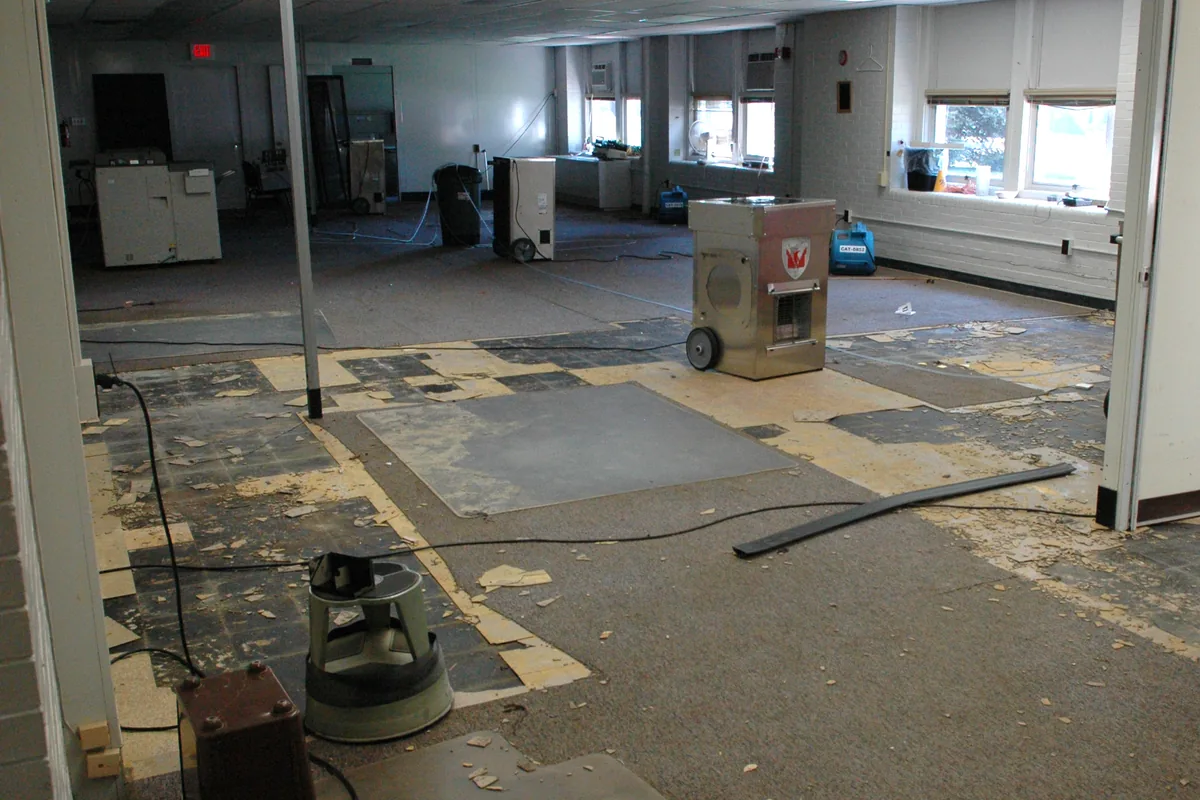
Ask what will be dried in place and what will be removed. Carpet pad is often removed because it traps water. Carpet may be dried or replaced depending on material and contamination. Drywall may be dried in place if the water is clean and the damage is limited, or cut out if the cavity needs airflow. Baseboards may be removed to dry the wall behind them. None of these decisions should be guessed at over the phone; they are determined by inspection.
05 / PLAN YOUR CLEANUP
Quote Scope Is Not the Same as Final Cost
A quote describes planned work based on what the provider can see and measure. Final cost reflects what was actually found and done. Hidden moisture behind cabinets, under flooring, or inside wall cavities can change the scope. Ask each provider how they document changes, who approves them, and whether approval is required before additional work begins. A written change process protects both sides.
Do not treat the lowest quote as the most complete. Compare what each quote includes: extraction, drying equipment, moisture monitoring, removal of damaged materials, disposal, and reconstruction. A lower number may simply cover less. Ask for the scope in writing and check whether the source repair is included or excluded.
06 / PLAN YOUR CLEANUP
Prepare for the Quote Call
Have your room map, photos, and a short timeline ready. State the source, when it was stopped, and what is wet. Ask the provider to separate their scope into source repair, extraction and drying, and reconstruction. Ask what they will do first, what they will remove, and how they will verify dryness. Ask what would cause the scope to change and how that change is priced.
- What is included in this quote, and what is excluded?
- Do you handle the pipe repair, or is that a separate plumber?
- What will you extract, what will you dry in place, and what will you remove?
- How will you check for moisture in walls, floors, and adjacent rooms?
- What triggers a change order, and who approves it?
- What documentation will I receive for my insurance claim?
07 / PLAN YOUR CLEANUP
Safety Notes for a Flooded Bedroom
Water and electricity are a dangerous combination. Avoid standing water near outlets, power strips, lamps, chargers, or plugged-in devices. Do not turn breakers on or off while standing in water. If you smell burning or see sparking, leave the area and contact qualified help. For general electrical safety after flooding, the CDC advises avoiding electrical hazards and contacting a qualified professional. For cleanup guidance, the EPA provides general flooded-home guidance that can help you understand what to expect.
Do not delay reasonable mitigation while waiting for a quote. If you can safely move furniture or lift items off the wet floor, that can reduce damage. If you cannot do so safely, wait for qualified help. The goal is to stop the source, avoid hazards, and document the room so the cleanup and repair scopes are clear.
08 / PLAN YOUR CLEANUP
When to Call for Help
Call a plumber if the source is not stopped or if the valve is inaccessible. Call a water cleanup provider once the source is controlled and the room is safe to enter. If you are unsure whether the room is safe, say so when you call. For a broader look at the cleanup process, see our Flood Cleanup guide. Use the room map and the scope questions above to compare quotes and keep the conversation focused on what will actually be done.
YOUR WRITTEN-SCOPE CHECKLIST
Turn the conversation into clear answers.
Check an item when you understand how it is addressed in the written scope. These checks organize your questions; they do not certify the condition of a property.
CHECK A WRITTEN ESTIMATE
What do the listed charges add up to?
Enter amounts from an estimate you already have. This adds your figures; it does not predict restoration prices. Blank fields count as zero, so confirm missing charges with the provider.
Only the amounts entered are included. Taxes, rebuilding, source repair and changes may be additional.
FREE QUOTE-PREPARATION TOOL
Know what to say when you call.
Build a short description using what you already know. Your notes stay on this page; this does not send a request or book service.
Your call notes
Questions to ask: Stop the source if safe, avoid electrical hazards, map wet zones, and ask each provider to separate source repair, extraction and drying, and reconstruction in writing. Do you serve my address? What assessment fees apply, and what is excluded?
Common questions
Should I call a plumber or a water cleanup company first?
If water is still flowing, call a plumber or emergency maintenance to stop the source. Once the source is controlled, call a water cleanup provider. If you are unsure whether the source is stopped, say so when you call.
Can I stay in the bedroom while it dries?
That depends on moisture, electrical safety, and air quality. Avoid the room if outlets, cords, or fixtures are wet. Ask the cleanup provider whether the room is safe to occupy and follow their guidance.
Does the cleanup quote include replacing the carpet?
Not always. Extraction and drying may be quoted separately from reconstruction or replacement. Ask the provider to list what is removed, what is dried in place, and what is replaced.
What should I ask my insurance company?
Ask whether the policy covers the plumbing repair, the water cleanup, and any reconstruction as separate items. Ask what documentation they need and whether you can choose your own provider.
YOUR NEXT STEP
A clearer conversation.
A more useful quote.
Have your ZIP code and property details ready. Confirm address coverage, fees and the proposed scope before booking.
Call for Quote · (833) 628-1561 ↗Houston Water Recovery connects callers with independent providers. Availability, qualifications, work and pricing are confirmed by the provider.
Sources & further reading
This guide explains public guidance and questions to ask. It is not a property assessment or a documented customer case, and no technician review is claimed.
CDC: Electrical hazards after flooding ↗EPA: Flooded homes cleanup guidance ↗