
THE QUICK ANSWER
What should you know first?
A pot filler pipe leak inside a kitchen wall is usually a two-part job: stop and repair the supply source, then clean up and dry the wet cavity before any finish reconstruction. Ask each provider to state in writing which parts they handle, what they exclude, and how they will verify the wall is dry before closing it.
Prepare your questions ↓AT A GLANCE
The decisions behind the quote.
Source repair
A licensed plumber stops the leak, repairs or replaces the pot filler line and fittings, and confirms the supply holds pressure. This is separate from drying or rebuilding the wall.
Cleanup and drying
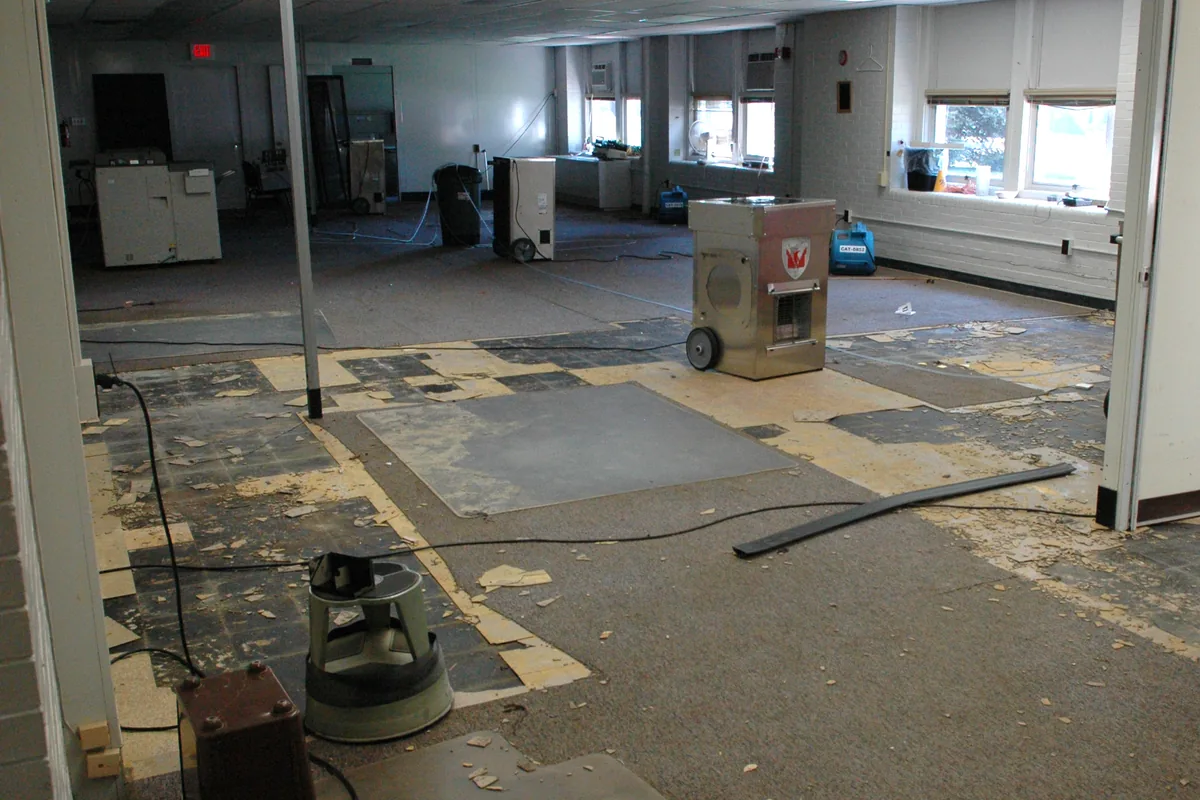
Water extraction, wet-material removal, and structural drying address the moisture the leak left behind. Ask how moisture will be measured and what target readings define dry.
Finish reconstruction
Drywall, tile, paint, cabinets, and trim go back after the cavity is verified dry. This is a distinct scope and often a different trade from the drying work.
01 / PLAN YOUR CLEANUP
What makes a pot filler leak different from a general water spill
A pot filler sits above the range and its supply line runs inside the wall, often with a shutoff valve behind the backsplash or below the counter. When that line or a fitting leaks, water can travel down inside the cavity and show up at the base cabinets, the toe kick, or the floor before it shows at the wall. That hidden path is why the visible wet spot is a poor guide to the actual scope.
Treat the leak as two problems. The first is the source: the pipe, fitting, or valve that failed. The second is the water it released into the wall, cabinets, and floor. Fixing the source does not dry the cavity, and drying the cavity does not repair the pipe. Keeping those separate makes quotes easier to compare.
02 / PLAN YOUR CLEANUP
A three-scope worksheet: source repair, cleanup and drying, reconstruction
Use this worksheet to sort what each provider is actually offering. Write one line per scope, then note what is excluded. If a provider cannot say where their scope ends, that is a question to resolve before work starts.
- Source repair: who stops the leak, repairs or replaces the pot filler line and fittings, and confirms the supply holds?
- Cleanup and drying: who removes standing water, removes wet materials that cannot be dried, sets drying equipment, and records moisture readings?
- Verification: what readings or observations define dry, and who documents them before the wall is closed?
- Finish reconstruction: who replaces drywall, tile, paint, cabinets, and trim, and what allowances are written into the quote?
- Exclusions: what is explicitly not included, such as cabinet removal, tile matching, or ceiling repair below?
- Handoff: who confirms the source is repaired before drying begins, and who confirms dryness before reconstruction begins?
03 / PLAN YOUR CLEANUP
Quote scope versus final cost: what to ask before you sign
A quote is a description of work, not a promise about the final bill. For a hidden wall leak, the honest answer is that some conditions are unknown until the wall is open. Ask each provider to separate firm items from allowances and to explain what would trigger a change order.
- Which tasks are included at a fixed amount, and which are allowances?
- What hidden conditions would change the price, such as wet framing, damaged cabinets, or a second leak point?
- How will additional work be approved before it is performed?
- Does the quote include drying equipment, monitoring visits, and final moisture documentation?
- Does the reconstruction quote assume tile and cabinets can be reused, or does it include replacement?
- What is excluded, such as electrical checks, cabinet disconnection, or ceiling repair below?
04 / PLAN YOUR CLEANUP
Safe first actions while you arrange help
Stop the water if you can do so safely, and keep people away from wet electrical outlets, switches, and appliances. Do not delay reasonable mitigation while waiting for a quote. Photograph conditions before moving anything, and place towels or a bucket only where it does not create a slip or electrical hazard.
If water reached an outlet, switch, or appliance connection, avoid contact and have a qualified electrician evaluate it before use. The CDC's electrical hazard guidance for flooded areas is a useful background reference for why wet electrical equipment should be treated cautiously.
05 / PLAN YOUR CLEANUP
How to prepare for the quote call
A short, specific call gets you a more useful response. Have your address, the approximate time you noticed the leak, whether the supply is off, and photos of the wall, cabinet interior, and floor. Mention any moisture readings you already have and whether the wall has been opened.
- State the source: pot filler line inside the kitchen wall.
- State what is already done: supply off, plumber scheduled or completed, area photographed.
- Ask which scopes the provider handles: source repair, cleanup and drying, reconstruction, or a combination.
- Ask how they document dryness before the wall is closed.
- Ask for the written scope with inclusions, exclusions, and allowances.
- Ask what would change the price once the wall is open.
06 / PLAN YOUR CLEANUP
Where the handoffs usually go wrong
The most common gap is a repaired pipe with a wet cavity that gets closed too soon. The second is drying work that stops at the visible wall while the base cabinet or floor below stays wet. The third is a reconstruction quote that assumes tile and cabinets can be reused when they cannot. Naming these handoffs in advance keeps the project moving without gaps in responsibility.
If you are also dealing with a larger supply-line failure, the Burst Pipe Cleanup guide covers the cleanup side in more detail and can help you frame questions for a provider.
YOUR WRITTEN-SCOPE CHECKLIST
Turn the conversation into clear answers.
Check an item when you understand how it is addressed in the written scope. These checks organize your questions; they do not certify the condition of a property.
CHECK A WRITTEN ESTIMATE
What do the listed charges add up to?
Enter amounts from an estimate you already have. This adds your figures; it does not predict restoration prices. Blank fields count as zero, so confirm missing charges with the provider.
Only the amounts entered are included. Taxes, rebuilding, source repair and changes may be additional.
FREE QUOTE-PREPARATION TOOL
Know what to say when you call.
Build a short description using what you already know. Your notes stay on this page; this does not send a request or book service.
Your call notes
Questions to ask: Stop the water, avoid electrical hazards, and get the source repaired. Then treat cleanup and drying as a separate scope from reconstruction, and ask every provider to put inclusions, exclusions, and dry-verification in writing. Do you serve my address? What assessment fees apply, and what is excluded?
Common questions
Does the plumber also dry and repair the wall?
Often no. Source repair, cleanup and drying, and finish reconstruction are frequently separate scopes handled by different providers. Ask each one what they include and where their work stops.
Can I close the wall as soon as the pipe is fixed?
Not usually. The cavity should be cleaned and dried to a documented target before drywall, tile, or cabinets go back. Closing wet materials can trap moisture and hide problems.
How do I compare quotes for the same leak?
Compare line by line: source repair, water removal, drying equipment, material removal, and reconstruction allowances. A lower quote may simply exclude drying or finish work.
What if the leak reached an electrical outlet or fixture?
Avoid contact with wet electrical equipment and have a qualified electrician check it before use. Follow electrical safety guidance for flooded or water-damaged areas.
YOUR NEXT STEP
A clearer conversation.
A more useful quote.
Have your ZIP code and property details ready. Confirm address coverage, fees and the proposed scope before booking.
Call for Quote · (833) 628-1561 ↗Houston Water Recovery connects callers with independent providers. Availability, qualifications, work and pricing are confirmed by the provider.
Sources & further reading
This guide explains public guidance and questions to ask. It is not a property assessment or a documented customer case, and no technician review is claimed.
CDC: Electrical hazards after flooding ↗EPA: Flooded homes cleanup guidance ↗