
THE QUICK ANSWER
What should you know first?
A shower pan leak that has wet the wall outside the bathroom is usually two projects, not one: source repair (finding and stopping the leak) and water cleanup (extraction, drying, and material decisions). Tile repair or painting is cosmetic and should wait until the source is fixed and the wet assembly is dry. Get a written scope that separates source repair, drying, and reconstruction so you can compare quotes fairly.
Prepare your questions ↓AT A GLANCE
The decisions behind the quote.
Source repair
Finding and stopping the leak: pan, drain, supply line, valve, or waterproofing. This is not the same as drying or rebuilding the wall.
Extraction and drying
Removing standing water and drying wet materials with air movement and dehumidification. This is not reconstruction.
Reconstruction
Replacing drywall, baseboard, tile, or paint after the source is fixed and the assembly is dry. Cosmetic work should wait.
01 / PLAN YOUR CLEANUP
Why the wall outside the bathroom gets wet
A shower pan leak does not always stay inside the shower. Water can travel along the pan liner, through a crack in the curb, past a failed drain seal, or behind the wall tile. It then moves into the wall cavity and shows up as a wet baseboard, bubbling paint, soft drywall, or a damp spot in the room outside the bathroom. The visible wet wall is a symptom, not the source.
That distinction matters because the repair path is different. If you only dry the wall and repaint, the leak can wet it again. If you only fix the pan and ignore the wet wall cavity, moisture can remain in framing, insulation, or drywall. The practical order is: stop the source, dry the assembly, then reconstruct.
02 / PLAN YOUR CLEANUP
Source repair vs. water cleanup: a scope comparison
Use this worksheet to compare what each provider is actually offering. A single company may handle more than one column, but the scope should still be separated so you can see what is included.
- Source repair: leak diagnosis, shower pan or drain repair, valve or supply line repair, waterproofing correction.
- Water cleanup: water extraction, removal of standing water, containment, and initial material assessment.
- Drying: air movers, dehumidifiers, moisture readings, and monitoring until materials reach a dry standard.
- Reconstruction: drywall, baseboard, trim, tile, paint, and finish work after source repair and drying.
- Quote scope: what is included, what is excluded, what is an estimate, and what could change the final cost.
03 / PLAN YOUR CLEANUP
What to do first when the wall outside the bathroom is wet
Stop using the shower and shut off the water if the leak is active. Avoid touching electrical outlets, switches, or fixtures in the wet area. If water is near electrical components, contact qualified help for electrical safety concerns. Do not delay reasonable mitigation such as limiting water spread, but keep yourself away from electrical hazards.
Take photos of the wet wall, baseboard, and floor outside the bathroom. Note when the moisture first appeared and whether it gets worse after shower use. This information helps a plumber or water-damage provider distinguish a pan leak from a supply line leak or a drain leak.
04 / PLAN YOUR CLEANUP
Extraction and drying are not reconstruction
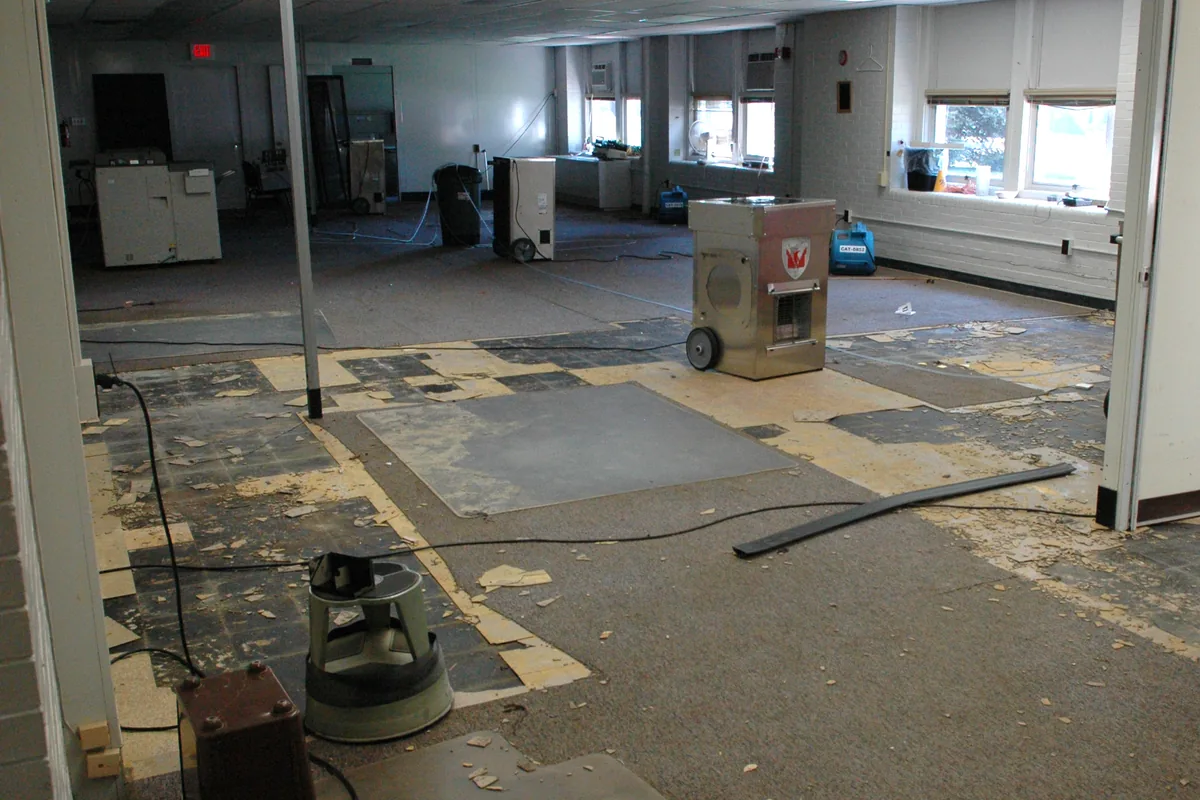
Extraction and drying focus on removing water and reducing moisture in materials. Reconstruction replaces materials that are damaged or removed during drying. A quote that bundles both can be fine, but you should still ask for a line-item scope. Otherwise you cannot tell whether you are paying for drying, demolition, rebuild, or all three.
Drying usually involves air movement and dehumidification, with moisture readings to track progress. Reconstruction usually involves drywall, baseboard, tile, or paint. The source repair, such as a shower pan or drain fix, is a separate trade or scope. Mixing them can hide missing steps.
05 / PLAN YOUR CLEANUP
Quote scope vs. final cost
A quote scope describes the work included. Ask whether the written price is fixed for a defined scope or an estimate, and how any added work would be approved. Ask each provider what is included, what is excluded, and what conditions would change the price. Do not treat an estimate as a guaranteed final cost unless the provider confirms it in writing.
For a shower pan leak that wets the wall outside the bathroom, a useful quote separates source repair, drying, and reconstruction. It should also note whether the provider will open the wall to inspect the cavity, how moisture will be monitored, and who is responsible for the final finish.
06 / PLAN YOUR CLEANUP
How to prepare for a quote call
Have your photos ready, note when the leak appears, and list what you have already done. Ask whether the provider handles source repair, drying, or reconstruction, or whether they coordinate with others. Ask for a written scope before work begins. If the wall outside the bathroom is wet, mention any electrical outlets, switches, or fixtures nearby so the provider can discuss safety.
You can also ask how they will verify the source is fixed before reconstruction. A moisture meter reading before and after drying is one useful checkpoint. If the provider cannot explain how they separate source repair from cleanup, keep looking.
07 / PLAN YOUR CLEANUP
When to call for help
Call a qualified plumber or water-damage provider when the leak is active, when the wet area is larger than a small patch, when water is near electrical components, or when you cannot find the source. Prompt safe action can limit the spread of water and reduce the chance of hidden moisture. Avoid electrical hazards and contact qualified help where appropriate without delaying reasonable mitigation.
For more on drying wet wall assemblies, see our Structural Drying guide.
YOUR WRITTEN-SCOPE CHECKLIST
Turn the conversation into clear answers.
Check an item when you understand how it is addressed in the written scope. These checks organize your questions; they do not certify the condition of a property.
CHECK A WRITTEN ESTIMATE
What do the listed charges add up to?
Enter amounts from an estimate you already have. This adds your figures; it does not predict restoration prices. Blank fields count as zero, so confirm missing charges with the provider.
Only the amounts entered are included. Taxes, rebuilding, source repair and changes may be additional.
FREE QUOTE-PREPARATION TOOL
Know what to say when you call.
Build a short description using what you already know. Your notes stay on this page; this does not send a request or book service.
Your call notes
Questions to ask: Fix the leak source before tile or paint. Dry the wet wall assembly. Compare written scopes that separate source repair, drying, and reconstruction. Do you serve my address? What assessment fees apply, and what is excluded?
Common questions
Can I just replace the wet drywall and repaint?
Not safely if the shower pan leak is still active. Replacing drywall without fixing the source usually leads to repeated wetting and hidden moisture. Source repair should come first, then drying, then reconstruction.
Is extraction and drying the same as reconstruction?
No. Extraction and drying remove water and reduce moisture in materials. Reconstruction replaces damaged drywall, baseboard, tile, or paint after the source is fixed and the assembly is dry. A quote may include both, but they should be listed separately.
How do I compare quotes for a shower pan leak?
Compare written scopes line by line: who diagnoses and repairs the source, what drying equipment and monitoring are included, what materials are removed or replaced, and what is excluded. Ask whether the quote is an estimate or a fixed scope, and what could change the final cost.
What if water is near electrical outlets outside the bathroom?
Avoid touching outlets, switches, or fixtures in wet areas. Contact qualified help for electrical safety concerns. Do not delay reasonable mitigation such as stopping the leak and limiting water spread, but keep away from electrical hazards.
YOUR NEXT STEP
A clearer conversation.
A more useful quote.
Have your ZIP code and property details ready. Confirm address coverage, fees and the proposed scope before booking.
Call for Quote · (833) 628-1561 ↗Houston Water Recovery connects callers with independent providers. Availability, qualifications, work and pricing are confirmed by the provider.
Sources & further reading
This guide explains public guidance and questions to ask. It is not a property assessment or a documented customer case, and no technician review is claimed.
CDC: Electrical hazards after flooding ↗EPA: Flooded homes cleanup guidance ↗