

THE QUICK ANSWER
What should you know first?
If a toilet supply line is still leaking, shut off the water only if the valve is safe to reach and arrange a qualified source repair. For the bathroom and hallway, note the visible wet areas and ask a water cleanup provider how it will assess flooring, baseboards, and the shared wall. Compare written scopes for extraction, drying, monitoring, and repairs; a homeowner sketch is a starting point, not a moisture diagnosis. Ask whether the quoted price is fixed for a defined scope or an estimate, how additional work is approved, and whether the provider serves your address.
Prepare your questions ↓AT A GLANCE
The decisions behind the quote.
Source repair first
A plumber or qualified professional should repair or replace the failed supply line. Ask whether the cleanup provider handles the source repair or coordinates with a qualified plumber.
Extraction and drying
Extraction removes standing water. Structural drying uses air movement and dehumidification to dry materials. These are separate from reconstruction tasks like replacing drywall or flooring.
Quote scope vs final cost
A quote may list equipment, monitoring visits, and material removal. Ask whether the price is fixed for the stated scope or an estimate, and how additional work would be approved.
01 / PLAN YOUR CLEANUP
Start with a room-by-room moisture map
A toilet supply line break often releases water at the back of the toilet, where it can run behind the baseboard and under the flooring. If the bathroom floor slopes toward the doorway, water may cross into a hallway or adjacent room. A moisture map is a simple sketch that shows where you see or feel moisture, so you can compare quotes on the same terms.
Label each room: bathroom, hallway, and any other affected space. In each room, mark the floor, baseboards, and lower wall. Note whether the carpet or pad is wet, whether hard flooring feels cool or spongy, and whether baseboards are swollen or separating. These observations help a provider plan where to inspect and place drying equipment.
02 / PLAN YOUR CLEANUP
Separate source repair from water cleanup
The broken supply line is a plumbing problem. Arrange qualified repair of the failed line. Ask the cleanup provider which parts of source repair, extraction, drying, and material removal it can perform, and which trade will handle anything excluded.
Keeping these scopes separate helps you avoid paying twice or leaving the source unrepaired. It also clarifies which provider is responsible for what. In your notes, create two columns: plumbing repair and water cleanup.
03 / PLAN YOUR CLEANUP
Extraction and drying are not reconstruction
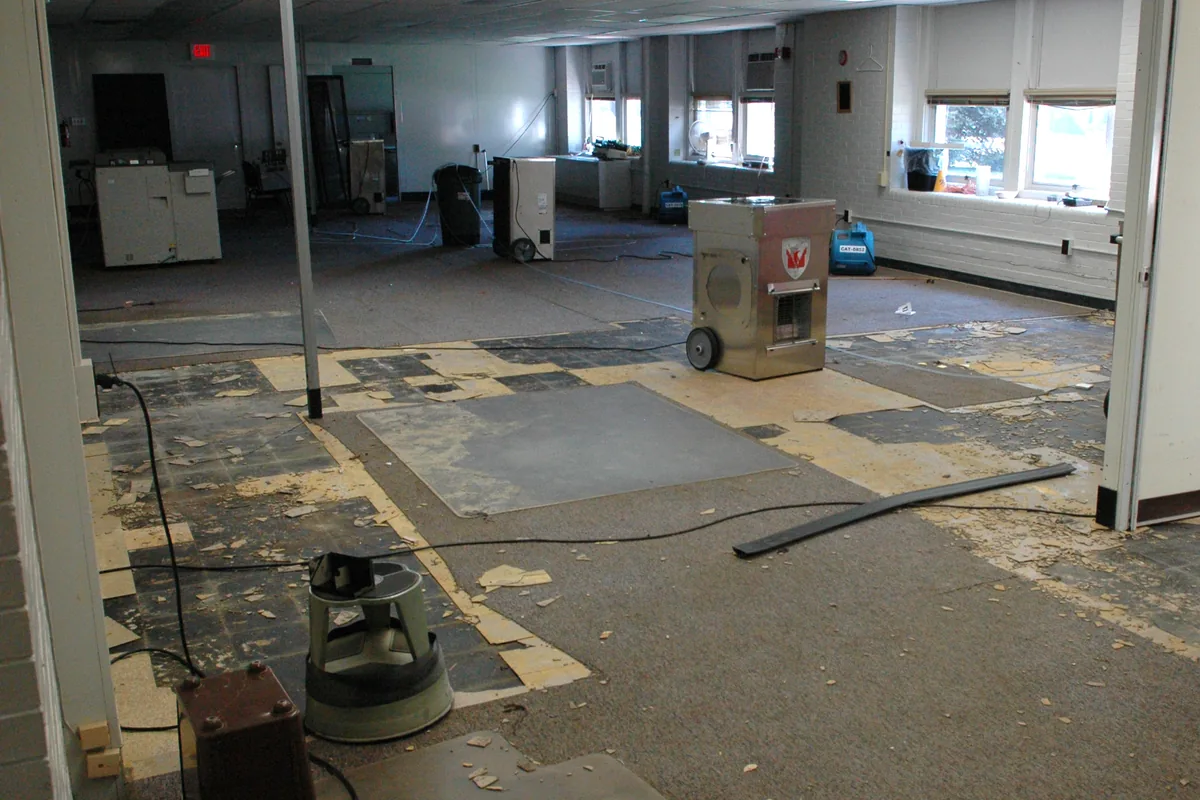
Extraction removes standing water. Drying reduces moisture in materials that stayed wet. Reconstruction replaces materials that cannot be dried or that were removed to allow drying, such as drywall, baseboards, or flooring. A quote that includes extraction and drying may not include reconstruction.
- Extraction: pumps or vacuums remove visible water from floors and carpets.
- Drying: air movers and dehumidifiers circulate air and remove moisture from materials.
- Monitoring: moisture meters or other tools check progress and help decide when drying is complete.
- Reconstruction: replacing drywall, trim, flooring, or paint after drying is finished.
Ask each provider to specify which of these tasks are in their scope. If reconstruction is excluded, you can plan for a separate contractor after drying is verified.
04 / PLAN YOUR CLEANUP
Quote scope is not the same as final cost
Ask whether the written price is fixed for a defined scope or is an estimate. Hidden conditions or added reconstruction may require a revised scope; ask how any change is documented and approved before extra work begins.
Ask what is included: equipment, labor, monitoring visits, material removal, disposal, and any testing. Ask what is excluded: reconstruction, plumbing repair, mold remediation, or specialty drying. A clear scope helps you compare quotes from different providers.
05 / PLAN YOUR CLEANUP
Prepare for the quote call
Before you call, have your moisture map ready. Note the date and approximate time you discovered the leak, whether the water was shut off, and how long the area was wet. List the materials you see: carpet, pad, tile, vinyl, hardwood, baseboard, drywall. Mention any odor or visible discoloration without trying to diagnose its cause.
Ask the provider how they will verify dryness in wall cavities and under flooring. Ask whether they will document moisture readings before and after drying. Ask for a written scope that separates extraction, drying, and any removal from reconstruction.
06 / PLAN YOUR CLEANUP
Safety notes for a wet bathroom and hallway
Water and electricity are a dangerous combination. Avoid electrical hazards: do not touch wet cords, outlets, switches, or electrical equipment. If water is near electrical panels or outlets, contact qualified help and avoid the area until it is safe. Do not delay reasonable mitigation like shutting off the water if you can do so safely.
Wet materials can be slippery. Wear appropriate footwear and keep children and pets away from the affected area. If you encounter a separate immediate hazard, keep people away and contact the appropriate emergency service or qualified professional.
07 / PLAN YOUR CLEANUP
What to do while you wait for help
- Keep the water shut off if the supply line is still leaking.
- Move loose items like rugs, towels, or small furniture away from wet flooring if it is safe to do so.
- Do not walk through standing water near electrical outlets or appliances.
- Take photos of the affected areas for your records.
- Write down the questions you want to ask each provider.
If you need to leave the area, secure the home and leave contact information for the provider. Prompt action can help limit how far moisture spreads, but safety comes first.
08 / PLAN YOUR CLEANUP
Compare scopes, not just bottom lines
When you receive quotes, compare them line by line. One quote may include extraction, drying, and monitoring but exclude reconstruction. Another may include removal of baseboards but not replacement. A third may include both but use different drying methods. The lowest number is not always the clearest scope.
Use your moisture map to check whether each quote addresses the bathroom, the hallway, and the shared wall. If a quote ignores an area you noted as wet, ask why. If a quote includes reconstruction you did not request, ask for a breakdown. A clear, comparable scope helps you make an informed decision.
09 / PLAN YOUR CLEANUP
When to seek qualified help
Contact a qualified plumber for the supply line repair. Contact a water cleanup or restoration provider for extraction and drying. If you see visible mold, smell persistent musty odors, or suspect contamination, contact a qualified professional for guidance. Do not attempt to handle electrical hazards or structural repairs yourself.
If you are unsure whether the water has reached a wall cavity or subfloor, a moisture inspection can help. Ask providers whether they offer moisture mapping or thermal imaging as part of their assessment.
YOUR WRITTEN-SCOPE CHECKLIST
Turn the conversation into clear answers.
Check an item when you understand how it is addressed in the written scope. These checks organize your questions; they do not certify the condition of a property.
CHECK A WRITTEN ESTIMATE
What do the listed charges add up to?
Enter amounts from an estimate you already have. This adds your figures; it does not predict restoration prices. Blank fields count as zero, so confirm missing charges with the provider.
Only the amounts entered are included. Taxes, rebuilding, source repair and changes may be additional.
FREE QUOTE-PREPARATION TOOL
Know what to say when you call.
Build a short description using what you already know. Your notes stay on this page; this does not send a request or book service.
Your call notes
Questions to ask: Separate the plumbing repair from water cleanup, and separate extraction and drying from reconstruction. A clear moisture map helps you compare scope, not just a bottom-line number. Do you serve my address? What assessment fees apply, and what is excluded?
Common questions
Should I call a plumber or a water cleanup company first?
If the supply line is still leaking, stop the water at the nearest valve or main if safe, then contact a qualified plumber for the source repair. You can contact a water cleanup provider in parallel for the affected rooms. Keep the two scopes separate in your notes.
Why does the hallway get wet when the leak is in the bathroom?
Water follows the path of least resistance. It can run along the subfloor, under baseboards, and through gaps around plumbing penetrations. Your sketch shows what you observed; ask a qualified provider how it will assess the floor and wall rather than assuming concealed conditions.
Is extraction the same as structural drying?
No. Extraction removes standing water with vacuums or pumps. Structural drying uses air movers and dehumidifiers to dry materials like drywall, framing, and flooring. A quote may include both, but they are different tasks.
Will my quote cover replacing the wet drywall and flooring?
Not always. Some cleanup quotes cover extraction, drying equipment, and monitoring. Reconstruction, such as replacing drywall or flooring, may be a separate scope. Ask each provider to list what is included and what is excluded.
YOUR NEXT STEP
A clearer conversation.
A more useful quote.
Have your ZIP code and property details ready. Confirm address coverage, fees and the proposed scope before booking.
Call for Quote · (833) 628-1561 ↗Houston Water Recovery connects callers with independent providers. Availability, qualifications, work and pricing are confirmed by the provider.
Sources & further reading
This guide explains public guidance and questions to ask. It is not a property assessment or a documented customer case, and no technician review is claimed.
CDC: Electrical hazards after flooding ↗EPA: Flooded homes cleanup guidance ↗