

THE QUICK ANSWER
What should you know first?
A useful bathroom leak estimate starts by separating four things: the source repair, water cleanup and drying, reconstruction of opened materials, and any exclusions. Ask each provider to list what they will do on the floor, vanity, wall, and ceiling, and what they will not do. That scope comparison is what makes quotes comparable.
Prepare your questions ↓AT A GLANCE
The decisions behind the quote.
Source repair vs. cleanup
Fixing the leaking pipe, valve, or fixture is a plumbing task. Extracting water, drying materials, and removing damaged finishes is a separate scope. A quote that only names one may leave the other to you.
Drying vs. reconstruction
Extraction and drying address moisture. Reconstruction replaces drywall, flooring, trim, or paint after drying is complete. These are different phases with different labor and materials.
Quote scope vs. final cost
A quoted scope describes planned work. Ask whether the written price is fixed for a defined scope or an estimate, and how any added work would be approved. Ask how changes are documented and approved.
01 / UNDERSTAND THE PROCESS
Start with the source, not the stain
A bathroom leak estimate is easier to compare when you separate the source from the symptoms. The source might be a supply line, drain connection, valve, or fixture seal. The symptoms show up on the floor, vanity base, wall, or ceiling below. If a quote only addresses the visible stain, ask who is repairing the source and how they will confirm it is stopped.
Write down what you observed: when the leak appears, whether it is active or intermittent, and which surfaces feel wet, soft, or lifted. This record helps providers scope the work and helps you notice if a quote ignores an area you already flagged.
02 / UNDERSTAND THE PROCESS
Floor, vanity, wall, ceiling: a simple scope worksheet
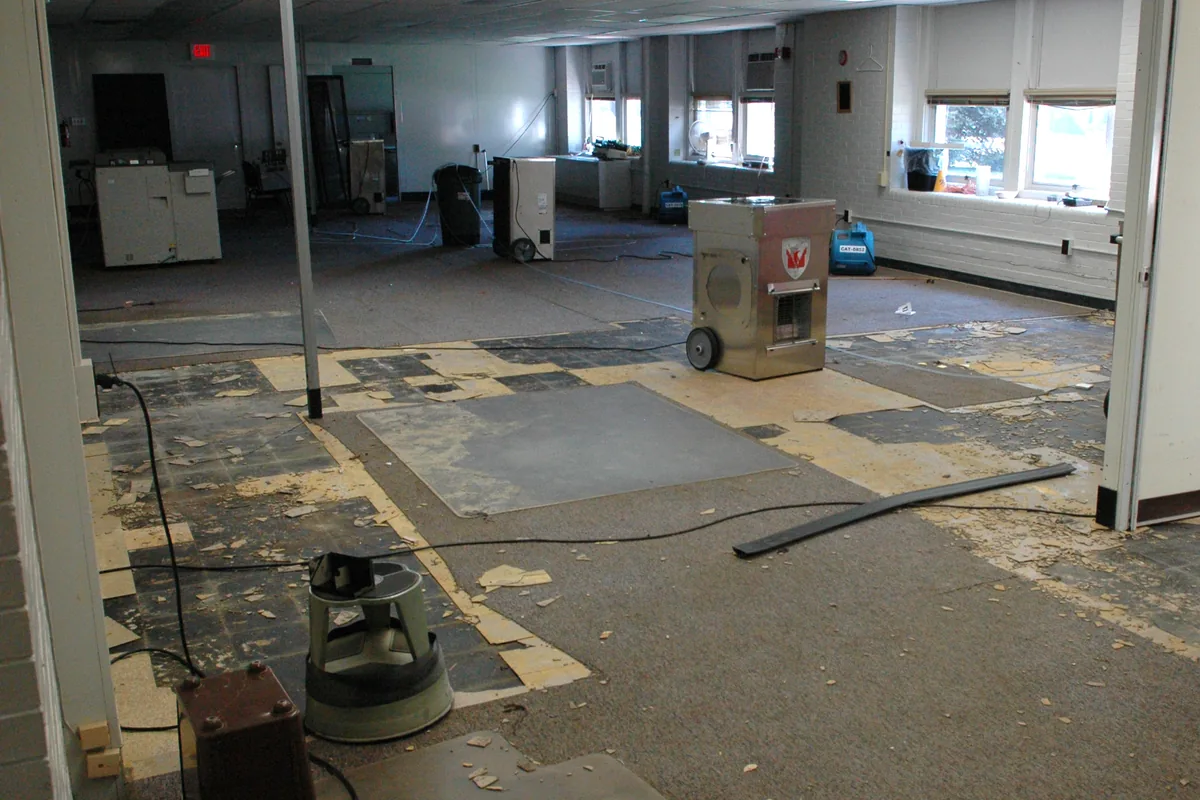
Use the same four areas with every provider so quotes line up. For each area, ask what will be inspected, what will be removed, what will be dried, and what will be rebuilt. The goal is not to force identical work, but to see clearly where scopes differ.
- Floor: Is the finish lifted, cupped, or soft? Will the provider remove flooring to dry the subfloor, or dry from above?
- Vanity: Is the cabinet base swollen, delaminated, or moldy-smelling? Will the vanity be removed, partially detached, or dried in place?
- Wall: Is the drywall or tile affected behind the fixture? Will the provider open the wall to inspect the cavity, and who repairs it afterward?
- Ceiling below: Is there staining, sagging, or moisture? Will the provider check the ceiling cavity and document findings before closing?
- Adjacent areas: Did water travel into a hallway, closet, or room below? Ask whether those areas are included or excluded.
- Exclusions: Note anything the quote does not cover, such as plumbing repair, tile matching, paint, or disposal.
03 / UNDERSTAND THE PROCESS
Source repair is not cleanup, and cleanup is not reconstruction
These three phases often appear in one estimate, but they are different jobs. Source repair stops the water. Cleanup and drying remove moisture and reduce the chance of further damage. Reconstruction puts materials back. A quote that blends them without line items is hard to compare and hard to adjust if the scope changes.
Ask each provider to label their scope by phase. If they do not handle one phase, ask who will and how the handoff works. This is especially important when a wall or ceiling must be opened to dry the cavity before it can be closed and finished.
04 / UNDERSTAND THE PROCESS
Quote scope versus final cost
A quote describes planned work based on what is visible and accessible. Final cost can differ if hidden moisture, secondary damage, or access problems are found. That does not automatically mean a quote is misleading, but you should know how changes are handled.
Ask how the provider documents new findings, who approves additional work, and whether they will pause before proceeding. Keep photos and notes of your own so you can compare the original scope with any change.
05 / UNDERSTAND THE PROCESS
Prepare for the quote call
Before you call, gather your photos, moisture notes, and a list of affected areas. Mention whether the leak is active, stopped, or intermittent. Say which areas you want inspected: floor, vanity, wall, ceiling below, and any adjacent space. Ask directly whether the quote includes source repair, extraction and drying, reconstruction, and what is excluded.
If water is still present, avoid electrical hazards and contact qualified help where appropriate. Reasonable mitigation, such as shutting off the supply if you can do so safely and containing the area, should not wait for an estimate. For drying and moisture questions, see the Structural Drying guide.
06 / UNDERSTAND THE PROCESS
What to keep after the estimate
Keep the written scope, exclusions, and change-order process with your records. If you file an insurance claim, the Texas Department of Insurance offers general claim tips that can help you organize documents and questions. The EPA flooded homes guidance and CDC electrical hazards page are useful background if the leak involved wider water exposure or you need safety reminders.
A bathroom leak estimate is most useful when it tells you what will be done, what will not be done, and how changes will be handled. Compare scope before price, and ask questions until the floor, vanity, wall, and ceiling lines are clear.
YOUR WRITTEN-SCOPE CHECKLIST
Turn the conversation into clear answers.
Check an item when you understand how it is addressed in the written scope. These checks organize your questions; they do not certify the condition of a property.
CHECK A WRITTEN ESTIMATE
What do the listed charges add up to?
Enter amounts from an estimate you already have. This adds your figures; it does not predict restoration prices. Blank fields count as zero, so confirm missing charges with the provider.
Only the amounts entered are included. Taxes, rebuilding, source repair and changes may be additional.
FREE QUOTE-PREPARATION TOOL
Know what to say when you call.
Build a short description using what you already know. Your notes stay on this page; this does not send a request or book service.
Your call notes
Questions to ask: Ask for a written scope that separates source repair, cleanup and drying, reconstruction, and exclusions, then compare line by line before you sign. Do you serve my address? What assessment fees apply, and what is excluded?
Common questions
Does a bathroom leak estimate include fixing the leak itself?
Not always. Some quotes cover only water cleanup and drying, while others include plumbing repair or reconstruction. Ask each provider to state clearly whether source repair is included, excluded, or handled by a separate licensed trade.
How do I compare quotes that use different scopes?
Put each quote side by side using the same four categories: source repair, cleanup and drying, reconstruction, and exclusions. A lower number may simply mean less work is included, so compare what is actually covered rather than the total alone.
What if the ceiling below the bathroom is stained but not dripping?
A stain can indicate past or slow moisture. Ask the provider to check moisture levels in the ceiling and explain whether they recommend monitoring, opening, or drying. Avoid assuming a stain is only cosmetic without a moisture check.
Should I wait for an estimate before doing anything?
If water is actively leaking, shutting off the supply or stopping the source is a reasonable first step. Avoid electrical hazards and contact qualified help where appropriate.
YOUR NEXT STEP
A clearer conversation.
A more useful quote.
Have your ZIP code and property details ready. Confirm address coverage, fees and the proposed scope before booking.
Call for Quote · (833) 628-1561 ↗Houston Water Recovery connects callers with independent providers. Availability, qualifications, work and pricing are confirmed by the provider.
Sources & further reading
This guide explains public guidance and questions to ask. It is not a property assessment or a documented customer case, and no technician review is claimed.
CDC: Electrical hazards after flooding ↗EPA: Flooded homes cleanup guidance ↗Texas Department of Insurance: Claim tips ↗