
THE QUICK ANSWER
What should you know first?
Before a water-damaged area is closed or rebuilt, ask the restoration provider what was assessed, which materials were dried or removed, what readings or observations support completion, and what limitations remain. Keep the original scope, monitoring notes, material decisions and any change orders together. A dry-looking surface or equipment pickup alone is not a property-wide guarantee that concealed spaces are dry.
Prepare your questions ↓AT A GLANCE
The decisions behind the quote.
What was assessed
Match the final area and material list to the original scope.
What changed
Identify what stayed, what was removed and why the scope changed.
What supports completion
Ask for the dates, locations and context of readings or observations.
What remains
Record inaccessible areas, open issues and who handles repairs.
01 / UNDERSTAND THE PROCESS
Start with the area and material inventory
Ask the provider to identify each affected room and material in the completion paperwork: for example, floor surface, underlayment, subfloor, wall base or ceiling. Match that list to the initial written assessment. An item missing from the record is a question, not proof that it was missed in the work. EPA emphasizes attention to hidden areas that may have become wet, including behind walls and ceilings. A documented inspection boundary matters when finishes conceal a cavity.
02 / UNDERSTAND THE PROCESS
Which measurements or observations support stopping?
Ask what was checked at the beginning, during monitoring and at the end. Where instruments were used, request the locations, dates and context for the readings, plus the provider's explanation of how a completion decision was made. A single number without material, location or comparison is hard to interpret. Do not demand an invented universal moisture threshold; materials, instruments and unaffected comparison areas differ. Ask whether any inaccessible area is explicitly identified as a limitation.
03 / UNDERSTAND THE PROCESS
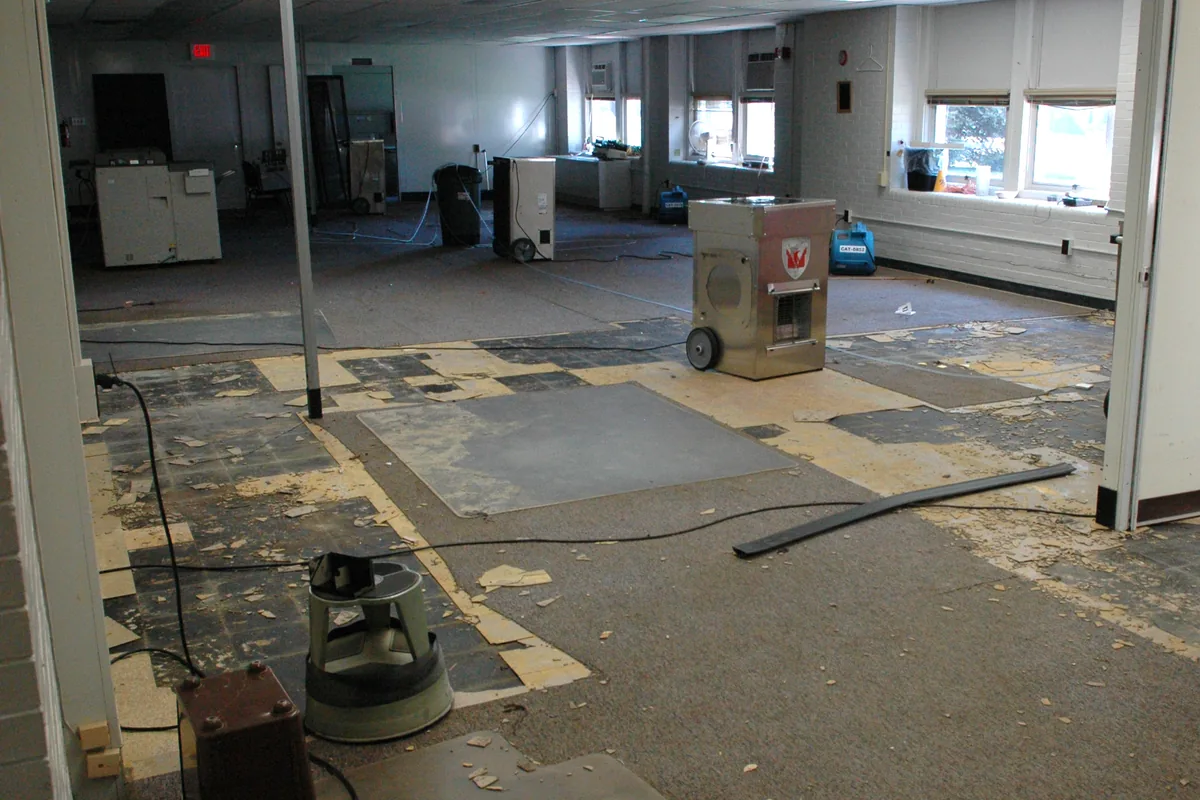
Distinguish dried, removed and not yet assessed
For each material, ask whether it remained and was dried, was removed, or still needs evaluation. If removal occurred, retain the reason and any photos taken safely before it was concealed. EPA's mold guidance notes that porous materials can be difficult to clean once mold has taken hold; it does not mean every wet material must automatically be discarded. Water source and contamination matter. A sewage-affected area calls for a different professional cleanup discussion than a known clean supply leak.
04 / UNDERSTAND THE PROCESS
Make the handoff to repairs explicit
Ask who confirms readiness for reconstruction, who will replace drywall or flooring, whether plumbing and electrical work were separately addressed, and what open items remain. Keep the drying record with the final invoice, equipment log, signed change orders and contractor contact details. Ask what happens if moisture appears again or the source recurs; a drying record does not repair a failed pipe or appliance. Do not close over a condition that the responsible professional has not assessed.
05 / UNDERSTAND THE PROCESS
Use a five-question handoff call
Which areas and materials did you examine? What changed from the original scope? What evidence supports equipment removal? Which areas could not be checked? Who owns repairs and any remaining source issue? These questions make a service conversation specific without substituting a homeowner diagnosis for professional assessment. If you need an initial quote rather than a closeout, ask the same provider what documentation will be included from the outset.
See the structural-drying service page and the broader drying-and-mold guide for context. Houston Water Recovery connects callers to independent providers; each provider confirms local availability, methods, scope, documentation and price. The site's displayed number starts a quote discussion, not a completion certification.
YOUR WRITTEN-SCOPE CHECKLIST
Turn the conversation into clear answers.
Check an item when you understand how it is addressed in the written scope. These checks organize your questions; they do not certify the condition of a property.
CHECK A WRITTEN ESTIMATE
What do the listed charges add up to?
Enter amounts from an estimate you already have. This adds your figures; it does not predict restoration prices. Blank fields count as zero, so confirm missing charges with the provider.
Only the amounts entered are included. Taxes, rebuilding, source repair and changes may be additional.
FREE QUOTE-PREPARATION TOOL
Know what to say when you call.
Build a short description using what you already know. Your notes stay on this page; this does not send a request or book service.
Your call notes
Questions to ask: Which materials were checked, and what findings support the handoff to repairs? Do you serve my address? What assessment fees apply, and what is excluded?
Common questions
Does equipment pickup prove the house is dry?
Equipment removal alone is not a property-wide drying record. Ask which areas were checked, what supports completion and what limitations remain.
Is there one moisture number every home must meet?
Do not rely on an invented universal threshold. Ask the provider to explain the material, instrument, measurement location and relevant comparison behind the decision.
What should I keep before repairs begin?
Keep the initial scope, monitoring notes, material decisions, change orders, invoices and the handoff record. Ask who addresses any remaining source issue or inaccessible area.
YOUR NEXT STEP
A clearer conversation.
A more useful quote.
Have your ZIP code and property details ready. Confirm address coverage, fees and the proposed scope before booking.
Call for Quote · (833) 628-1561 ↗Houston Water Recovery connects callers with independent providers. Availability, qualifications, work and pricing are confirmed by the provider.
Sources & further reading
This guide explains public guidance and questions to ask. It is not a property assessment or a documented customer case, and no technician review is claimed.
EPA: Mold Course Prevention and Hidden Areas ↗EPA: Mold Cleanup in Your Home ↗EPA: Flooded Homes Cleanup Guidance ↗