

THE QUICK ANSWER
What should you know first?
A room-by-room affected-area sketch helps you document visible water damage and possible hidden spread before you call for help. It separates source repair from cleanup, extraction and drying from reconstruction, and quote scope from final cost. This guide shows how to record each room, compare scope categories, and prepare questions for a quote call.
Prepare your questions ↓AT A GLANCE
The decisions behind the quote.
Visible damage
Record water you can see, damp materials you can touch, and staining or swelling that is obvious. This is the starting point for any scope discussion.
Possible spread
Note rooms below, adjacent, or connected by a shared wall, floor, or ceiling where water may have traveled. Mark these as possible, not confirmed.
Scope categories
Separate source repair, cleanup, extraction and drying, and reconstruction. A quote may cover only some of these, so ask which are included.
01 / UNDERSTAND THE PROCESS
Start with a simple room-by-room sketch
A sketch does not need to be precise. Draw the outline of each room, mark the water source if you know it, and use two symbols: one for visible wetness and one for possible spread. This gives you a shared reference when you speak with a provider.
Keep the sketch factual. Write down what you can see or feel, not what you assume is happening behind walls. If you are unsure whether water reached a room, label it possible spread and ask for it to be checked.
02 / UNDERSTAND THE PROCESS
Separate source repair from cleanup
Source repair addresses the cause of the water, such as a supply line, drain, or fixture. Cleanup addresses the water and affected materials. These are different scopes, and one may need to happen before the other can be fully addressed.
When you call, ask whether the provider handles source repair, cleanup, or both. If they do not handle source repair, ask who should be contacted. This helps avoid delays and confusion about what is included.
03 / UNDERSTAND THE PROCESS
Separate extraction and drying from reconstruction
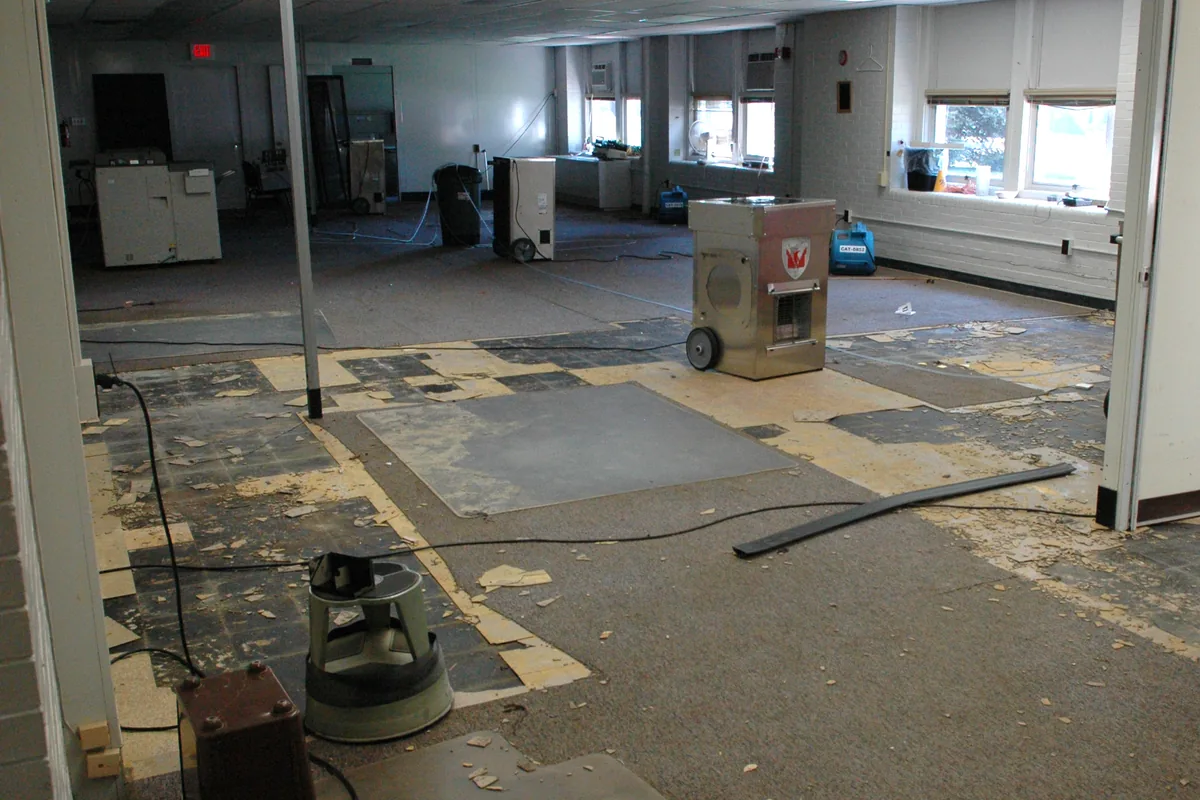
Extraction and drying focus on removing water and reducing moisture in materials. Reconstruction focuses on repairing or replacing materials after drying is complete. A quote may include one, both, or neither.
Ask how drying progress will be monitored and what conditions indicate drying is complete. Reconstruction should not begin until the affected area is dry enough for the planned repair.
04 / UNDERSTAND THE PROCESS
Use a scope comparison worksheet
For each affected room, create a short row with four columns: visible damage, possible spread, drying needs, and reconstruction needs. This helps you compare what different providers include in their quotes.
- Visible damage: water staining, damp carpet, swollen baseboards, or soft drywall.
- Possible spread: adjacent rooms, rooms below, or shared walls and ceilings.
- Drying needs: air movers, dehumidifiers, or other drying equipment.
- Reconstruction needs: drywall repair, flooring replacement, painting, or trim work.
This worksheet is not a substitute for a professional assessment. It is a way to organize your notes so you can ask specific questions about what a quote covers.
05 / UNDERSTAND THE PROCESS
Prepare for a quote call
Before you call, have your sketch and worksheet nearby. Be ready to describe the source if known, the rooms affected, and any areas you could not inspect. Ask whether the quote is an estimate or a fixed price, and what could change it.
Ask about scope categories: source repair, cleanup, extraction and drying, and reconstruction. Ask what is included, what is excluded, and what would require a separate quote. This helps you compare quotes on a like-for-like basis.
If you see standing water near electrical outlets, panels, or appliances, avoid contact and contact qualified help. Do not delay reasonable mitigation that can be done safely, such as moving items away from water if it is safe to do so.
06 / UNDERSTAND THE PROCESS
Document as you go
Take photos or short videos of each affected room before cleanup begins. Note the date and time. If you remove any water or move items, record what you did. This documentation can help you describe the situation accurately later.
Keep your sketch and notes together. If multiple providers assess the property, you can use the same sketch to compare their findings and quotes. This reduces the chance of overlooking a room or scope category.
07 / UNDERSTAND THE PROCESS
When to seek qualified help
If water has reached multiple rooms, or if you suspect hidden moisture behind walls or under floors, a professional assessment is appropriate. If you see electrical hazards, structural concerns, or contamination risks, avoid the area and contact qualified help.
For drying guidance, see the Structural Drying guide. For general cleanup safety, refer to the EPA flooded homes guidance and CDC electrical hazards guidance.
YOUR WRITTEN-SCOPE CHECKLIST
Turn the conversation into clear answers.
Check an item when you understand how it is addressed in the written scope. These checks organize your questions; they do not certify the condition of a property.
CHECK A WRITTEN ESTIMATE
What do the listed charges add up to?
Enter amounts from an estimate you already have. This adds your figures; it does not predict restoration prices. Blank fields count as zero, so confirm missing charges with the provider.
Only the amounts entered are included. Taxes, rebuilding, source repair and changes may be additional.
FREE QUOTE-PREPARATION TOOL
Know what to say when you call.
Build a short description using what you already know. Your notes stay on this page; this does not send a request or book service.
Your call notes
Questions to ask: A room-by-room sketch does not replace an on-site assessment, but it can help you separate visible damage from possible spread and prepare a clearer quote call. Do you serve my address? What assessment fees apply, and what is excluded?
Common questions
Should I sketch before or after calling a restoration provider?
Sketch as soon as it is safe to do so. A quick sketch helps you describe the situation during the call and gives the provider a clearer starting point for their own assessment.
Does a sketch replace an on-site inspection?
No. A sketch is a communication aid. It cannot confirm hidden moisture, structural conditions, or the full extent of spread. An on-site assessment is still needed for scope and pricing.
How do I know if water spread to another room?
Look for water stains, soft spots, bubbling paint, or damp flooring in adjacent rooms or rooms below. If you are unsure, mark it as possible spread and ask the provider to check.
What should I avoid doing while sketching?
Avoid entering areas with standing water near electrical outlets or panels. Do not pull up materials or move heavy items if it may be unsafe. Contact qualified help for electrical or structural concerns.
YOUR NEXT STEP
A clearer conversation.
A more useful quote.
Have your ZIP code and property details ready. Confirm address coverage, fees and the proposed scope before booking.
Call for Quote · (833) 628-1561 ↗Houston Water Recovery connects callers with independent providers. Availability, qualifications, work and pricing are confirmed by the provider.
Sources & further reading
This guide explains public guidance and questions to ask. It is not a property assessment or a documented customer case, and no technician review is claimed.
CDC: Electrical hazards after flooding ↗EPA: Flooded homes cleanup guidance ↗