

THE QUICK ANSWER
What should you know first?
Before new flooring goes down, treat the subfloor as a handoff: document what was wet, how it was dried, what was repaired, and who is responsible for the surface the installer will cover. That written record is what separates a source repair from cleanup, extraction and drying from reconstruction, and a quote scope from a final cost.
Prepare your questions ↓AT A GLANCE
The decisions behind the quote.
Source repair vs. cleanup
Fixing the leak, supply line, or exterior entry is a source repair. Removing water, debris, and affected material is cleanup. They are different scopes and may belong to different trades.
Drying vs. reconstruction
Extraction and drying return the assembly toward a dry baseline. Reconstruction replaces or rebuilds what was removed or damaged. The handoff should state which is complete and which is not.
Quote scope vs. final cost
A quote describes planned work and assumptions. Ask whether the written price is fixed for a defined scope or an estimate, and how any added work would be approved. Ask what is included and what would trigger a change.
01 / UNDERSTAND THE PROCESS
Why the subfloor handoff matters
New flooring is a cover. Once it is installed, the subfloor condition is difficult to inspect without removing the new material. A handoff record protects everyone by documenting what was wet, what was dried, what was repaired, and who accepted the surface. It also keeps three common distinctions clear: source repair versus cleanup, extraction and drying versus reconstruction, and quote scope versus final cost.
This is a documentation task, not a structural or medical judgment. If you see sagging, soft spots, or evidence of ongoing moisture, pause the flooring work and contact qualified help. Avoid electrical hazards around wet areas, and do not delay reasonable mitigation while waiting on paperwork.
02 / UNDERSTAND THE PROCESS
Scope comparison worksheet
Use this worksheet to separate responsibilities before the flooring installer arrives. Fill it in with the drying provider, the reconstruction contact, and the installer so no one assumes another party handled a step.
- Source repair: Who fixed the leak or entry point, and is it verified complete?
- Cleanup: Who removed standing water, debris, and affected material?
- Extraction and drying: Who documented moisture readings, and are they complete?
- Subfloor repair: Who is responsible for flattening, patching, or replacing sections?
- Reconstruction: Who is rebuilding removed walls, trim, or underlayment?
- Installer acceptance: Who confirms the subfloor is ready to cover, and in what writing?
- Quote scope: What work is included, excluded, or assumed in the installer's quote?
- Final cost: What conditions would trigger a change order or additional charge?
03 / UNDERSTAND THE PROCESS
Documentation to collect
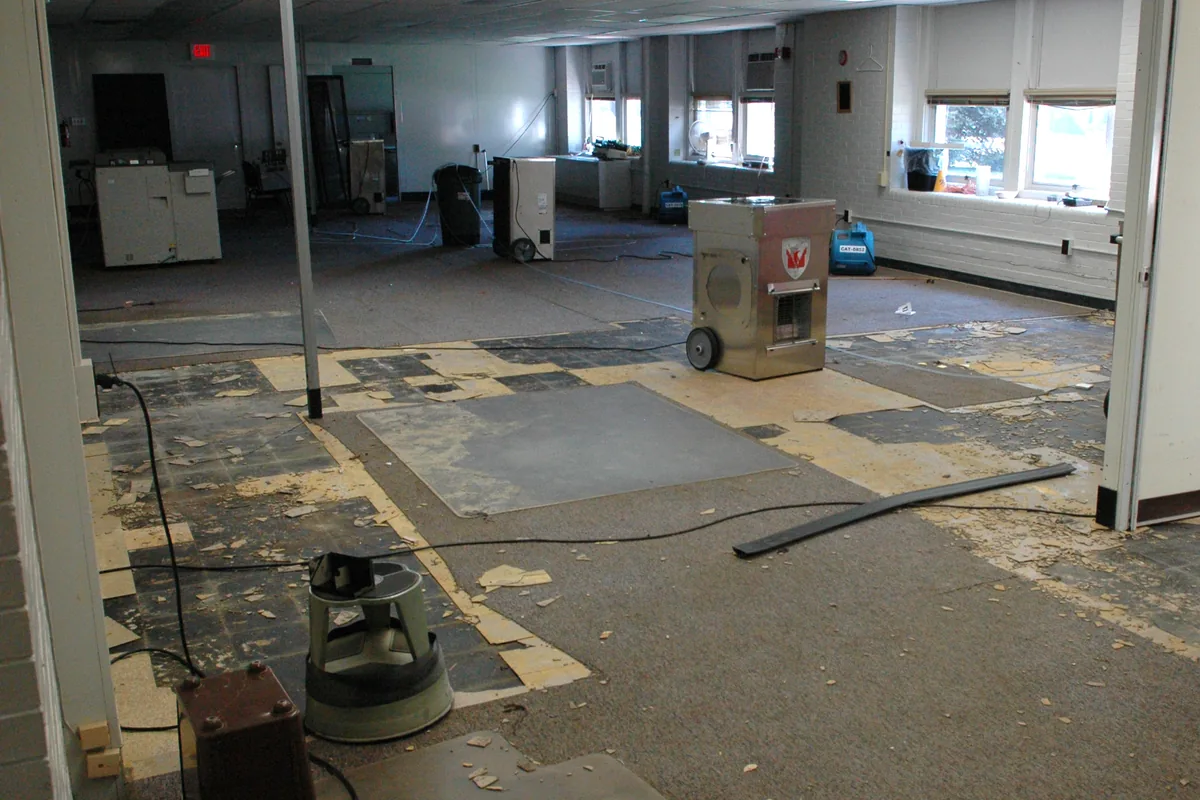
Keep the record simple and dated. Moisture readings should include the location and the date they were taken. Photos should show the exposed subfloor before new material covers it. Written scopes should list included work, exclusions, and assumptions. If a source repair is pending, note that clearly so the installer does not treat a dry surface as a finished repair.
For background on safe cleanup and electrical hazards after flooding, see the CDC and EPA guidance listed in the sources. For claim documentation tips, the Texas Department of Insurance offers consumer guidance. These sources support general safety and documentation practices; they do not replace project-specific advice from qualified professionals.
04 / UNDERSTAND THE PROCESS
Quote-call preparation
When you call a drying provider or flooring installer, lead with the handoff. Say what was wet, what was dried, what was repaired, and what remains open. Ask what they need to see before they will accept the subfloor. Ask whether their quote includes subfloor repair or assumes it is already complete. Ask what would change the final cost. Write down the answers and keep them with the photos and readings.
If drying is still in progress, ask for the current moisture record and the criteria they use to call it complete. If drying is finished, ask for the final record. Then ask the flooring installer what they will inspect before covering the subfloor. The goal is a written handoff that names who accepted the surface and what they accepted.
05 / UNDERSTAND THE PROCESS
Common handoff gaps
- No dated moisture readings, so no one can show the drying trend.
- Source repair listed as complete without a clear responsible party.
- Removed material not documented, leaving the reconstruction scope unclear.
- Installer quote assumes a ready subfloor without stating that assumption.
- Verbal acceptance with no written record before flooring is installed.
- Change-order conditions not discussed, so final cost is a surprise.
06 / UNDERSTAND THE PROCESS
When to pause and get qualified help
Pause the flooring work if you see sagging, soft spots, standing water, or signs of ongoing moisture. Avoid electrical hazards in wet areas and contact qualified help for electrical, structural, or contamination concerns. Do not delay reasonable mitigation while waiting for documentation. The handoff record can be completed alongside safe action, not instead of it.
For drying context, see the Structural Drying guide. It explains the drying process and the kind of records that support a handoff.
YOUR WRITTEN-SCOPE CHECKLIST
Turn the conversation into clear answers.
Check an item when you understand how it is addressed in the written scope. These checks organize your questions; they do not certify the condition of a property.
CHECK A WRITTEN ESTIMATE
What do the listed charges add up to?
Enter amounts from an estimate you already have. This adds your figures; it does not predict restoration prices. Blank fields count as zero, so confirm missing charges with the provider.
Only the amounts entered are included. Taxes, rebuilding, source repair and changes may be additional.
FREE QUOTE-PREPARATION TOOL
Know what to say when you call.
Build a short description using what you already know. Your notes stay on this page; this does not send a request or book service.
Your call notes
Questions to ask: A subfloor handoff is a responsibility document: it separates source repair from cleanup, drying from reconstruction, and quote scope from final cost before new flooring covers the evidence. Do you serve my address? What assessment fees apply, and what is excluded?
Common questions
Who should sign off on the subfloor before new flooring?
The person or company accepting responsibility for the surface should sign or confirm in writing. That may be the flooring installer, the property owner, or a reconstruction lead, depending on the project.
What should a subfloor handoff record include?
Include moisture readings with dates and locations, what was removed, whether the source repair is complete, whether drying is complete, who owns remaining repairs, photos of the exposed subfloor, and the written scope the installer is working from.
Does a drying report guarantee the subfloor is ready for flooring?
No. A drying report documents conditions and drying progress. It does not replace the flooring installer's own assessment of flatness, fasteners, or surface condition. Ask both parties to state their assumptions in writing.
How do I keep quote scope separate from final cost?
Ask for a written scope that lists included work, exclusions, and assumptions. Then ask what conditions would trigger a change order. Keep that document with the handoff record so the final invoice can be compared against the original scope.
YOUR NEXT STEP
A clearer conversation.
A more useful quote.
Have your ZIP code and property details ready. Confirm address coverage, fees and the proposed scope before booking.
Call for Quote · (833) 628-1561 ↗Houston Water Recovery connects callers with independent providers. Availability, qualifications, work and pricing are confirmed by the provider.
Sources & further reading
This guide explains public guidance and questions to ask. It is not a property assessment or a documented customer case, and no technician review is claimed.
CDC: Electrical hazards after flooding ↗EPA: Flooded homes cleanup guidance ↗Texas Department of Insurance: Claim tips ↗