
THE QUICK ANSWER
What should you know first?
Before you call, identify the water source, affected rooms, ZIP code, visible hazards, and timing. Separate source repair from cleanup and drying, and ask whether the quote includes extraction, drying, monitoring, or reconstruction.
Prepare your questions ↓AT A GLANCE
The decisions behind the quote.
Source repair vs. cleanup
Fixing a supply line, drain, or fixture is source repair. Extracting water, drying materials, and monitoring moisture is cleanup and drying. These may be different trades or scopes.
Extraction and drying vs. reconstruction
Extraction removes standing water. Drying uses air movement and dehumidification. Reconstruction replaces damaged drywall, flooring, or cabinetry after drying is complete.
Quote scope vs. final cost
A quote may cover only extraction, only drying, or both. Ask whether the written price is fixed for a defined scope or an estimate, and how any added work would be approved. Ask what is included and what triggers a change.
01 / UNDERSTAND THE PROCESS
Start With the Source, Not the Stain
The first useful fact is where the water is coming from. A supply line, drain backup, appliance leak, and roof intrusion can lead to different scopes. If the source is still active, note that. If you can safely stop it, do so. If not, keep people away and call for help.
Source repair and cleanup are not the same task. A plumber may fix a pipe, but extraction and drying may be handled separately. Ask who is addressing the source and who is addressing the water that already entered the home.
02 / UNDERSTAND THE PROCESS
Worksheet: Five Facts to Write Down
- Source: supply line, drain, appliance, roof, or unknown.
- Rooms: list each affected room and whether water is standing or absorbed.
- ZIP code: needed for routing and local availability.
- Hazards: electrical concerns, sagging ceilings, slippery floors, or strong odors.
- Timing: when you noticed it and whether it is still active.
03 / UNDERSTAND THE PROCESS
Compare Scope Before You Compare Price
Two quotes can look similar but cover different work. One may include extraction and drying equipment. Another may include only extraction. A third may include removal of damaged materials. Ask each provider to describe what is included and what is excluded.
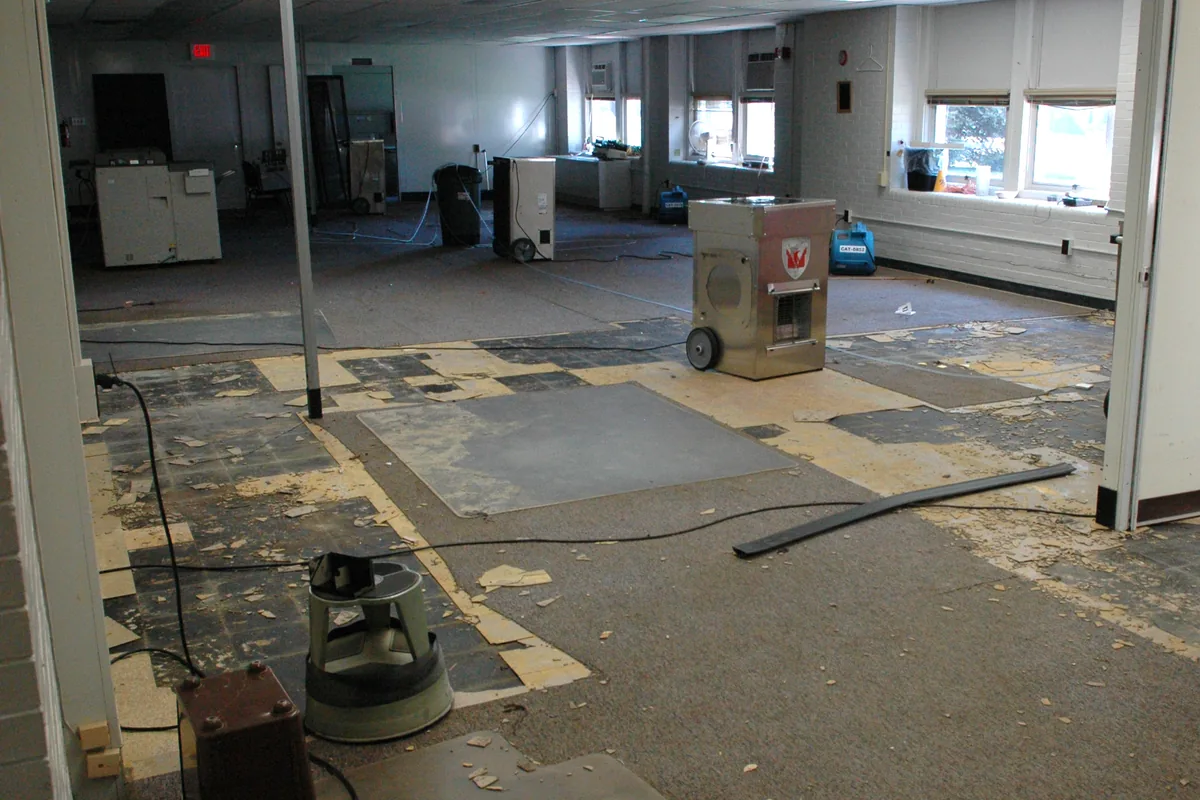
Extraction removes standing water. Drying uses air movers and dehumidifiers to reduce moisture in materials. Monitoring checks progress over time. Reconstruction replaces materials that cannot be dried or that were removed. These are separate line items in many scopes.
04 / UNDERSTAND THE PROCESS
Quote Scope vs. Final Cost
Ask for written approval before additional work is added. Ask for written approval before additional work is added. Ask what conditions would change the price and how you will be notified before additional work begins.
Do not assume a quote includes reconstruction. Ask directly: is reconstruction included, or is it a separate contract? If separate, ask who coordinates between drying and rebuilding.
05 / UNDERSTAND THE PROCESS
Safety Notes for the First Hour
Avoid electrical hazards. Do not enter standing water if outlets, cords, or appliances are nearby. Do not touch electrical equipment in wet areas. If you smell burning or see sparks, leave the area and contact qualified help.
Reasonable mitigation can reduce further damage, but safety comes first. If you can safely move small items away from water, do so. Do not lift sagging ceilings or disturb materials that may contain contamination. When in doubt, wait for qualified help.
06 / UNDERSTAND THE PROCESS
How to Use the Structural Drying Guide
The Structural Drying guide explains how drying equipment and monitoring fit into a water damage scope. Use it to ask better questions about extraction, drying, and reconstruction boundaries. See the Structural Drying guide for more detail.
07 / UNDERSTAND THE PROCESS
Call Preparation Checklist
- Write down the source and whether it is stopped.
- List affected rooms and materials.
- Note ZIP code and access details.
- Identify visible hazards and keep people away.
- Record timing and current conditions.
- Ask what the quote includes and excludes.
- Ask whether reconstruction is separate.
- Log who you called and what they said.
08 / UNDERSTAND THE PROCESS
Frequently Asked Questions
What if I do not know the source? That is common. Say it is unknown and describe what you see. A responder can help identify next steps, but source repair may require a qualified trade.
What if water has been sitting for days? Note the timing. Longer standing water can affect materials differently. Ask about safe access and whether testing or removal is recommended.
What if my insurance agent asks for details? Use the same worksheet. Source, rooms, ZIP, hazards, and timing are useful for any call. Keep your log updated.
09 / UNDERSTAND THE PROCESS
Bottom Line
Prepare five facts, separate source repair from cleanup and drying, and ask whether reconstruction is included. Compare scope before final cost. Avoid electrical hazards and contact qualified help where appropriate without delaying reasonable mitigation.
YOUR WRITTEN-SCOPE CHECKLIST
Turn the conversation into clear answers.
Check an item when you understand how it is addressed in the written scope. These checks organize your questions; they do not certify the condition of a property.
CHECK A WRITTEN ESTIMATE
What do the listed charges add up to?
Enter amounts from an estimate you already have. This adds your figures; it does not predict restoration prices. Blank fields count as zero, so confirm missing charges with the provider.
Only the amounts entered are included. Taxes, rebuilding, source repair and changes may be additional.
FREE QUOTE-PREPARATION TOOL
Know what to say when you call.
Build a short description using what you already know. Your notes stay on this page; this does not send a request or book service.
Your call notes
Questions to ask: Use this worksheet to compare quote scope before final cost. Ask what is included, what is excluded, and whether reconstruction is separate. Do you serve my address? What assessment fees apply, and what is excluded?
Common questions
What should I have ready before calling about water damage?
Have the water source, affected rooms, ZIP code, visible hazards, and timing ready. Also note whether water is still active and whether you can safely access the area.
Does a water damage quote include reconstruction?
Not always. Ask whether the quote covers extraction, drying, monitoring, and removal only, or whether reconstruction such as drywall or flooring replacement is included.
Can I stay in the home while drying equipment runs?
That depends on the situation. Ask the responder about safe access, noise, and whether any areas should remain off-limits. Follow their guidance.
What if I see standing water near electrical outlets?
Avoid the area. Do not touch electrical equipment or stand in water near outlets. Contact qualified help and follow local emergency guidance.
YOUR NEXT STEP
A clearer conversation.
A more useful quote.
Have your ZIP code and property details ready. Confirm address coverage, fees and the proposed scope before booking.
Call for Quote · (833) 628-1561 ↗Houston Water Recovery connects callers with independent providers. Availability, qualifications, work and pricing are confirmed by the provider.
Sources & further reading
This guide explains public guidance and questions to ask. It is not a property assessment or a documented customer case, and no technician review is claimed.
CDC: Electrical hazards after flooding ↗EPA: Flooded homes cleanup guidance ↗