
THE QUICK ANSWER
What should you know first?
A water-damage quote can cover three different stages: removing accessible water, drying and monitoring affected materials, and repairing or replacing finishes after the area is ready. Ask which stages are included, who performs each, what is excluded and how added work will be approved. Source repair and electrical safety may require separate qualified trades. No one can promise that one visit or a single machine completes every stage without assessing the property.
Prepare your questions ↓AT A GLANCE
The decisions behind the quote.
Water removal
Identify which accessible water and affected rooms the quote covers.
Structural drying
Ask about material checks, equipment, monitoring and completion.
Finish repairs
Confirm who replaces drywall, floors, trim, cabinets or paint.
Separate trades
Check responsibility for the water source and any electrical work.
01 / UNDERSTAND THE PROCESS
Stage one: identify the source and assess accessible water
First, determine whether a plumber, appliance technician or building-envelope trade must stop the water source. A cleanup provider can then describe where accessible water has reached and whether extraction is proposed. Ask which rooms and surfaces the quote includes and whether a fee covers the assessment. If there is floodwater, suspected sewage, wet wiring or unstable materials, avoid entry and request appropriate professional help; CDC describes health and electrical hazards after flooding.
02 / UNDERSTAND THE PROCESS
Stage two: decide what needs drying, removal and monitoring
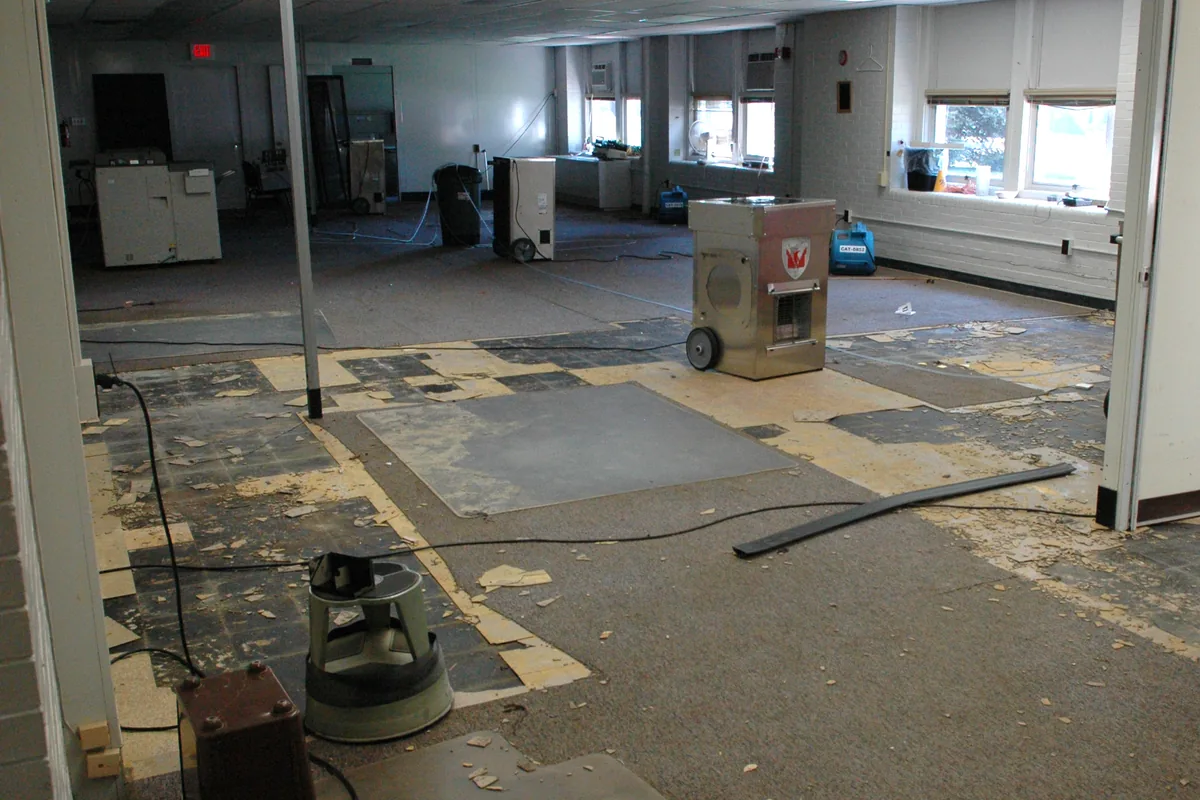
Water removal from a visible floor is not the same as drying its layers, adjacent wall bases or concealed spaces. Ask what materials will be checked, what access is needed, which materials are proposed for removal and why, and how progress will be recorded. EPA's moisture guidance calls attention to hidden wet areas. For porous materials with established mold or contaminated water, ordinary surface drying may not be suitable; ask for the reasoning, not a one-size-fits-all rule.
03 / UNDERSTAND THE PROCESS
Stage three: identify who reinstates the home
After drying, finish work may include drywall, flooring, trim, cabinets or paint. Ask whether the same company performs reconstruction, uses another trade, or leaves it outside the quote. Confirm who handles permits or specialist work where applicable; do not assume a restoration quote includes plumbing, electrical repair or code decisions. Request a documented handoff so a repair crew knows which areas were treated and what remains unresolved.
04 / UNDERSTAND THE PROCESS
Make two estimates comparable
For each proposal, list included rooms, extraction work, equipment and billing units, monitoring visits, removal and disposal, reconstruction, and exclusions. Ask how a newly discovered wet area or extra equipment day is documented and approved. A lower total for extraction alone is not a lower price for the same complete job. Keep separate copies of the source-repair invoice, mitigation estimate and reconstruction proposal rather than treating them as interchangeable.
05 / UNDERSTAND THE PROCESS
What to ask on the first call
Give the property ZIP, known source status, visible affected rooms and materials, and any safety or access issue. Ask if the provider serves the exact address, which stage they can assess, and whether a written scope will explain assumptions and revisions. Ask who will document the condition before drying ends and who accepts responsibility for the handoff. No article can diagnose concealed damage, establish insurance coverage or quote a Houston-wide price.
The water-extraction and structural-drying service pages explain their respective scopes; the cost guide helps compare written estimates. Houston Water Recovery connects callers to independent providers, whose availability, qualifications, proposed work and price must be confirmed directly. Call the existing site number when you are ready to discuss the property.
YOUR WRITTEN-SCOPE CHECKLIST
Turn the conversation into clear answers.
Check an item when you understand how it is addressed in the written scope. These checks organize your questions; they do not certify the condition of a property.
CHECK A WRITTEN ESTIMATE
What do the listed charges add up to?
Enter amounts from an estimate you already have. This adds your figures; it does not predict restoration prices. Blank fields count as zero, so confirm missing charges with the provider.
Only the amounts entered are included. Taxes, rebuilding, source repair and changes may be additional.
FREE QUOTE-PREPARATION TOOL
Know what to say when you call.
Build a short description using what you already know. Your notes stay on this page; this does not send a request or book service.
Your call notes
Questions to ask: Which stages are included in this quote, and who is responsible for everything else? Do you serve my address? What assessment fees apply, and what is excluded?
Common questions
Is water extraction the same as structural drying?
Removing accessible water and drying affected material layers are different tasks. Ask what remains to be checked after visible water has been removed.
Does a restoration estimate include rebuilding?
Confirm it in writing. Drywall, floors, trim, cabinetry and paint may be a separate scope or another provider’s responsibility.
How can I compare a lower and a higher estimate?
First compare the rooms, materials, stages, equipment, monitoring, removal and exclusions. A lower total may cover less work; clarify the difference before deciding.
YOUR NEXT STEP
A clearer conversation.
A more useful quote.
Have your ZIP code and property details ready. Confirm address coverage, fees and the proposed scope before booking.
Call for Quote · (833) 628-1561 ↗Houston Water Recovery connects callers with independent providers. Availability, qualifications, work and pricing are confirmed by the provider.
Sources & further reading
This guide explains public guidance and questions to ask. It is not a property assessment or a documented customer case, and no technician review is claimed.
EPA: Flooded Homes Cleanup Guidance ↗EPA: Mold Course Prevention and Hidden Areas ↗CDC: Reentering Your Flooded Home Safely ↗