
THE QUICK ANSWER
What should you know first?
The plumber repairs the failed pipe or fixture; the water damage or drying trade extracts standing water, dries the structure, and documents moisture. Reconstruction is a third scope. Ask each trade to state in writing what they will and will not do, so you can compare quotes without paying twice or leaving a wet cavity behind a repaired pipe.
Prepare your questions ↓AT A GLANCE
The decisions behind the quote.
Plumbing repair scope
Stops the source: repairs or replaces the failed pipe, fitting, valve, fixture, or appliance connection. It usually does not include extracting water, drying materials, or rebuilding finishes.
Water cleanup and drying scope
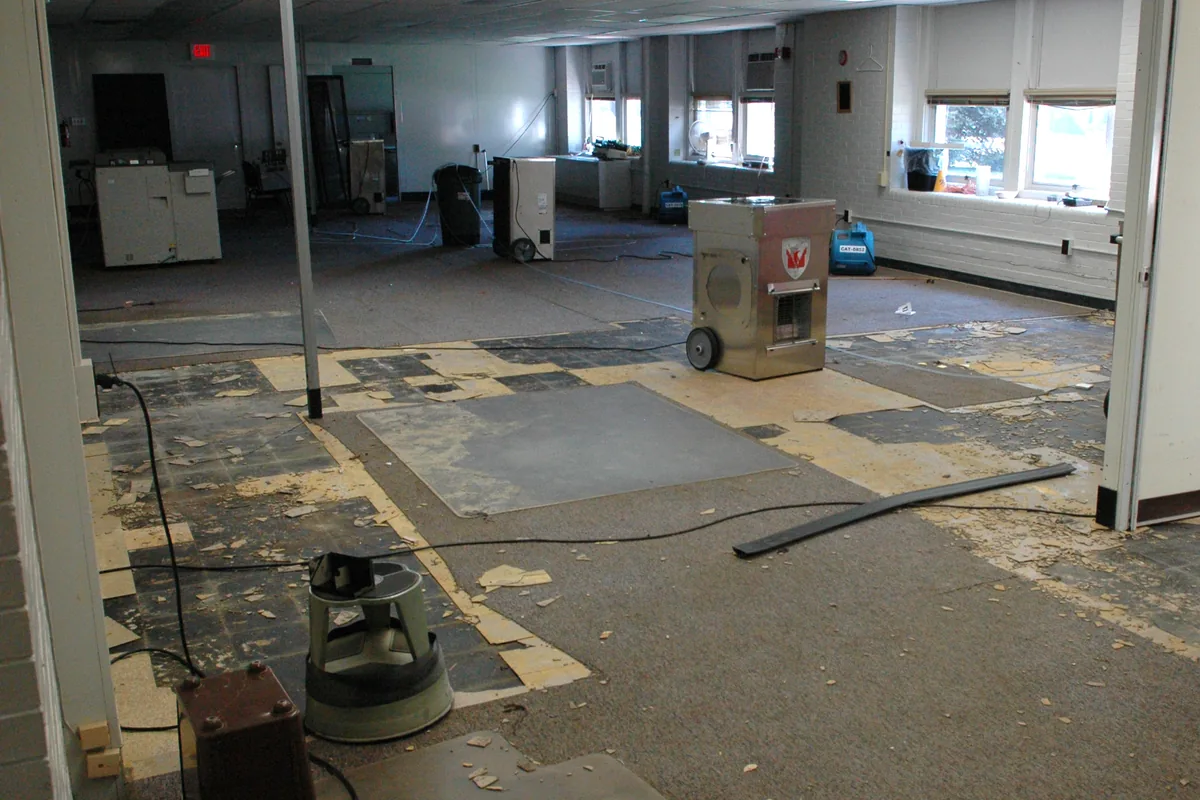
Removes standing water, extracts saturated materials, sets drying equipment, and tracks moisture readings. It may include limited demolition for access, but it usually does not include plumbing repair or full reconstruction.
Reconstruction scope
Replaces drywall, flooring, cabinets, trim, and paint after the structure is dry. This is often a separate quote and may be handled by a general contractor rather than the drying provider.
01 / UNDERSTAND THE PROCESS
Start with the source, then the structure
A household water problem usually involves two separate questions: what failed, and what got wet. The plumber answers the first. The drying trade answers the second. If you merge them in your mind, you may approve a pipe repair and assume the wet cavity behind it will be handled, or approve drying and assume the pipe will be fixed.
Separate the work into three scopes: source repair, extraction and drying, and reconstruction. Ask each provider to state in writing which scopes they cover. This is the fastest way to compare quotes without double-paying or leaving a wet assembly behind a repaired pipe.
02 / UNDERSTAND THE PROCESS
Scope comparison worksheet
Use these questions as a worksheet when you talk to each trade. The goal is not to force one company to do everything, but to make the handoffs visible.
- Source repair: Who will repair or replace the failed pipe, fitting, valve, fixture, or appliance connection?
- Water extraction: Who will remove standing water and saturated materials?
- Drying: Who will set air movers and dehumidifiers, and for how long?
- Moisture monitoring: Who will record readings and provide a drying log?
- Demolition for access: Who will open the wall, ceiling, or cabinet cavity, and who will dispose of debris?
- Reconstruction: Who will replace drywall, flooring, cabinets, trim, and paint?
- Documentation: What written scope, photos, and moisture records will you receive?
03 / UNDERSTAND THE PROCESS
Where quotes commonly overlap or leave gaps
Overlap happens when two trades both include extraction or debris removal, and you pay twice. Gaps happen when each trade assumes the other will handle demolition, disposal, or final moisture verification. Read each quote for exclusions, not just inclusions.
A plumbing quote may include repairing the pipe and testing the repair, but exclude opening the wall or drying the cavity. A drying quote may include extraction and equipment, but exclude plumbing repair and reconstruction. A reconstruction quote may assume the structure is already dry and ready for finishes.
04 / UNDERSTAND THE PROCESS
Quote-call preparation
Before you call, write down what you observed: where the water came from, whether it is still leaking, which rooms or materials are wet, and whether you have shut off the supply. This helps each trade give you a relevant scope instead of a generic estimate.
- Describe the source: supply line, drain line, appliance, water heater, or unknown.
- State whether the leak is stopped or still active.
- List wet materials: carpet, pad, hardwood, tile, drywall, insulation, cabinets.
- Note the approximate area affected and how long it has been wet.
- Ask each trade to confirm their scope in writing before work begins.
- Ask how they will coordinate if another trade needs access to the same area.
05 / UNDERSTAND THE PROCESS
Safety and reasonable mitigation
Avoid electrical hazards. Do not enter standing water if electrical outlets, cords, or appliances are submerged or if you are unsure whether power is safely isolated. Contact qualified help where appropriate. If the source is stopped and the area is safe to enter, reasonable mitigation such as removing valuables and starting extraction can reduce further damage without delaying professional assessment.
The CDC advises protecting yourself from electrical hazards after flooding, and the EPA provides flooded-home cleanup guidance. These are background references for safe action, not a substitute for an on-site assessment by qualified professionals.
06 / UNDERSTAND THE PROCESS
What to confirm before signing
Confirm the source repair is complete or scheduled, the drying scope includes moisture monitoring, and reconstruction is either included or separately arranged. Ask what happens if moisture readings do not meet the drying goal, and who will return to reassess.
For a closer look at the drying side of the scope, see the Structural Drying guide. It explains how extraction, airflow, dehumidification, and moisture monitoring fit together, so you can ask better questions when comparing quotes.
YOUR WRITTEN-SCOPE CHECKLIST
Turn the conversation into clear answers.
Check an item when you understand how it is addressed in the written scope. These checks organize your questions; they do not certify the condition of a property.
CHECK A WRITTEN ESTIMATE
What do the listed charges add up to?
Enter amounts from an estimate you already have. This adds your figures; it does not predict restoration prices. Blank fields count as zero, so confirm missing charges with the provider.
Only the amounts entered are included. Taxes, rebuilding, source repair and changes may be additional.
FREE QUOTE-PREPARATION TOOL
Know what to say when you call.
Build a short description using what you already know. Your notes stay on this page; this does not send a request or book service.
Your call notes
Questions to ask: Confirm who stops the water, who dries the structure, and who puts it back. One quote rarely covers all three. Do you serve my address? What assessment fees apply, and what is excluded?
Common questions
Can one company fix the pipe and dry the house?
Some companies offer both plumbing and drying, but they are still separate scopes of work. Ask the company to itemize the plumbing repair and the water cleanup separately so you can see what is included and what is not.
Does water cleanup include replacing drywall?
Usually not. Drying providers may remove wet drywall to allow airflow, but replacing and finishing drywall is typically reconstruction. Confirm this in writing before work begins.
Should I wait for the plumber before extracting water?
If the source is still leaking, stopping it is the priority. If the source is stopped and the area is safe, reasonable extraction and drying can begin while you arrange plumbing repair. Avoid electrical hazards and contact qualified help where appropriate.
How do I compare quotes from different trades?
Compare scope, not just price. List what each quote includes: source repair, extraction, drying equipment, moisture monitoring, demolition, disposal, and reconstruction. Gaps between quotes often explain price differences.
YOUR NEXT STEP
A clearer conversation.
A more useful quote.
Have your ZIP code and property details ready. Confirm address coverage, fees and the proposed scope before booking.
Call for Quote · (833) 628-1561 ↗Houston Water Recovery connects callers with independent providers. Availability, qualifications, work and pricing are confirmed by the provider.
Sources & further reading
This guide explains public guidance and questions to ask. It is not a property assessment or a documented customer case, and no technician review is claimed.
CDC: Electrical hazards after flooding ↗EPA: Flooded homes cleanup guidance ↗